Weekend
Edinburgh
· Updated
Edinburgh
Info
How to get there
The best and fastest way to reach Edinburgh (from outside the UK) is by plane. The airport (EDI) is about 13 km from the city centre and has excellent transport links. You can get into town by bus (every 10 minutes), by tram, by taxi or by Uber.
City
Edinburgh is one of the most atmospheric cities in Europe, combining dark, Gothic history with a modern, vibrant culture. Home to around 500,000 people, the city sits on extinct volcanoes and hills, which creates remarkably dramatic, multi-level architecture.
Architecture
The city is clearly divided into two parts, both listed as UNESCO World Heritage:
- Old Town: A labyrinth of narrow cobbled streets, tall tenement houses, mysterious passages (closes) and the castle towering over it all. It has an incredible, slightly dark, medieval atmosphere.
- New Town: An elegant, 18th-century Georgian district with wide avenues, neoclassical buildings and a geometric street layout.
Festivals, festivals and... festivals
Edinburgh is a city buzzing with art. Every August it becomes the biggest artistic stage in the world thanks to The Fringe and the Edinburgh International Festival. The streets fill with thousands of artists, comedians and musicians from all over the world.
Culture, pubs and ghosts
This is a city of literature (Harry Potter and Sherlock Holmes were born here), Scotch whisky and traditional pubs with live music. Edinburgh is also famous for its dark legends – stories of ghosts, haunted graveyards and underground streets (such as Mary King's Close) create a unique, mysterious microclimate.
Useful links
The official city website is available at https://www.edinburgh.gov.uk
The official visitor guide is available at https://edinburgh.org
Edinburgh
Iconic Hotels
The Balmoral, a Rocco Forte Hotel
The most recognisable 5-star hotel in Edinburgh, whose monumental clock tower dominates the city skyline. Standing on the border of the Old and New Town, it is a symbol of Scottish elegance.
It is here that J.K. Rowling finished writing Harry Potter and the Deathly Hallows (room 552 now bears her name). The hotel is famous for its superb whisky bar and its traditional Afternoon Tea.
Address: 1 Princes St.
The Caledonian Edinburgh, Curio Collection by Hilton
Built in 1903 from red sandstone, this 5-star hotel is known to locals as "The Caley". It originally served as a luxury railway hotel.
Over the decades it has hosted major stars and presidents, including Laurel and Hardy. It offers some of the finest, completely unobstructed views of Edinburgh Castle.
Address: Princes St.
The Scotsman Hotel
An elegant 4-star hotel housed in a historic Edwardian building from 1905.
The legendary former headquarters of the national daily The Scotsman. To this day the interiors retain the unique character of the early-20th-century newsroom, including the original marble staircase and stained-glass windows.
Address: 20 North Bridge
The Witchery by the Castle
A truly spectacular 5-star boutique hotel offering just 9 luxurious, wonderfully extravagant suites.
Located right next to the castle gates, it drips with Gothic, theatrical opulence. The interiors are full of velvet, dark wood and antique furniture, lit almost entirely by candlelight. It is the most romantic and mysterious place to stay in the city.
Address: 352 Castlehill
House of Gods Hotel
A younger but already iconic 4-star stay hidden in the party quarter of the Old Town (Cowgate).
Its motto says that "modesty doesn't live here". The rooms are inspired by cabarets and the luxury carriages of the Orient Express, dominated by red and gold, animal motifs and extravagant cocktail bars hidden inside wardrobes.
Address: 233 Cowgate
Edinburgh
Gallery
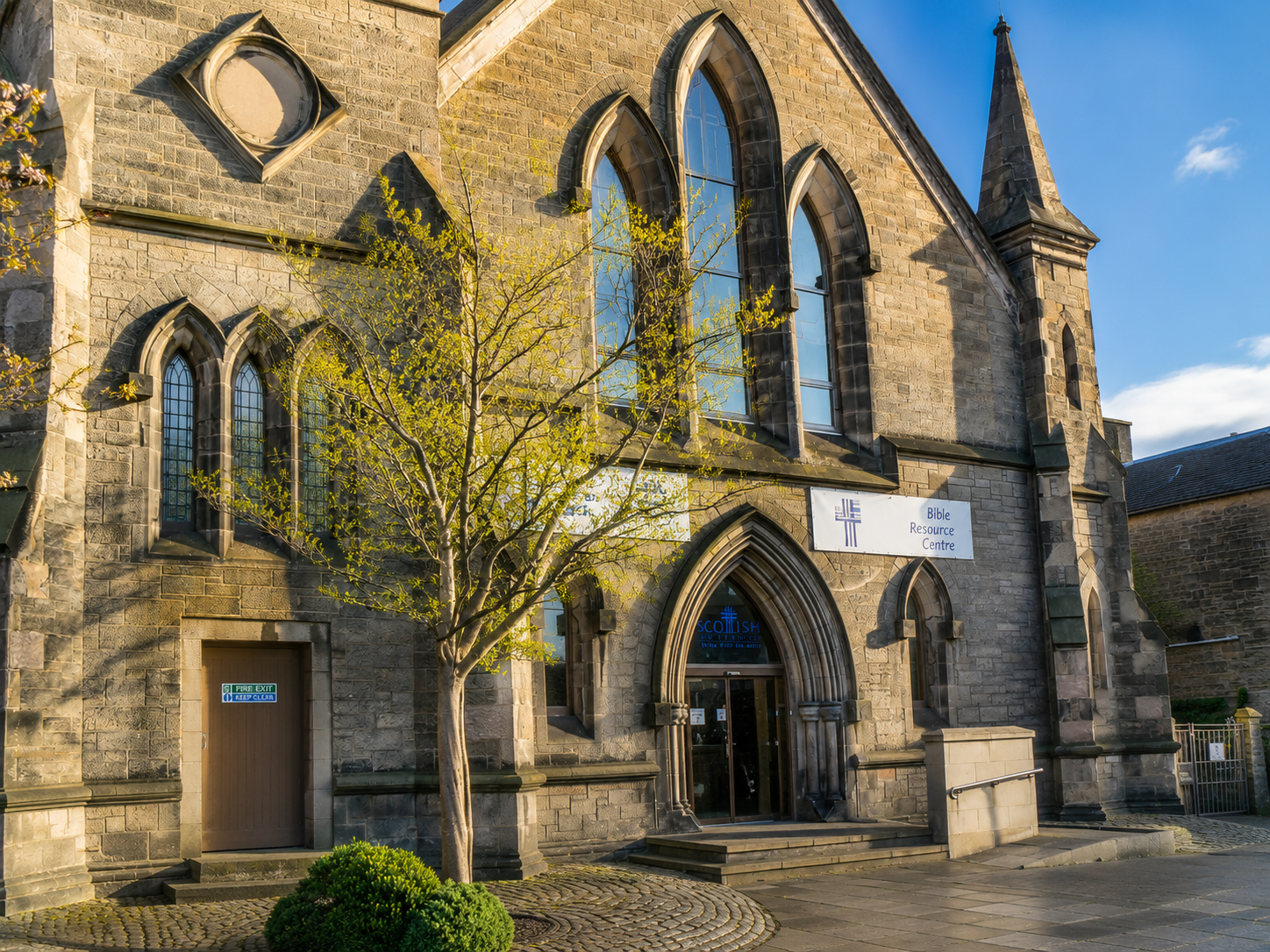
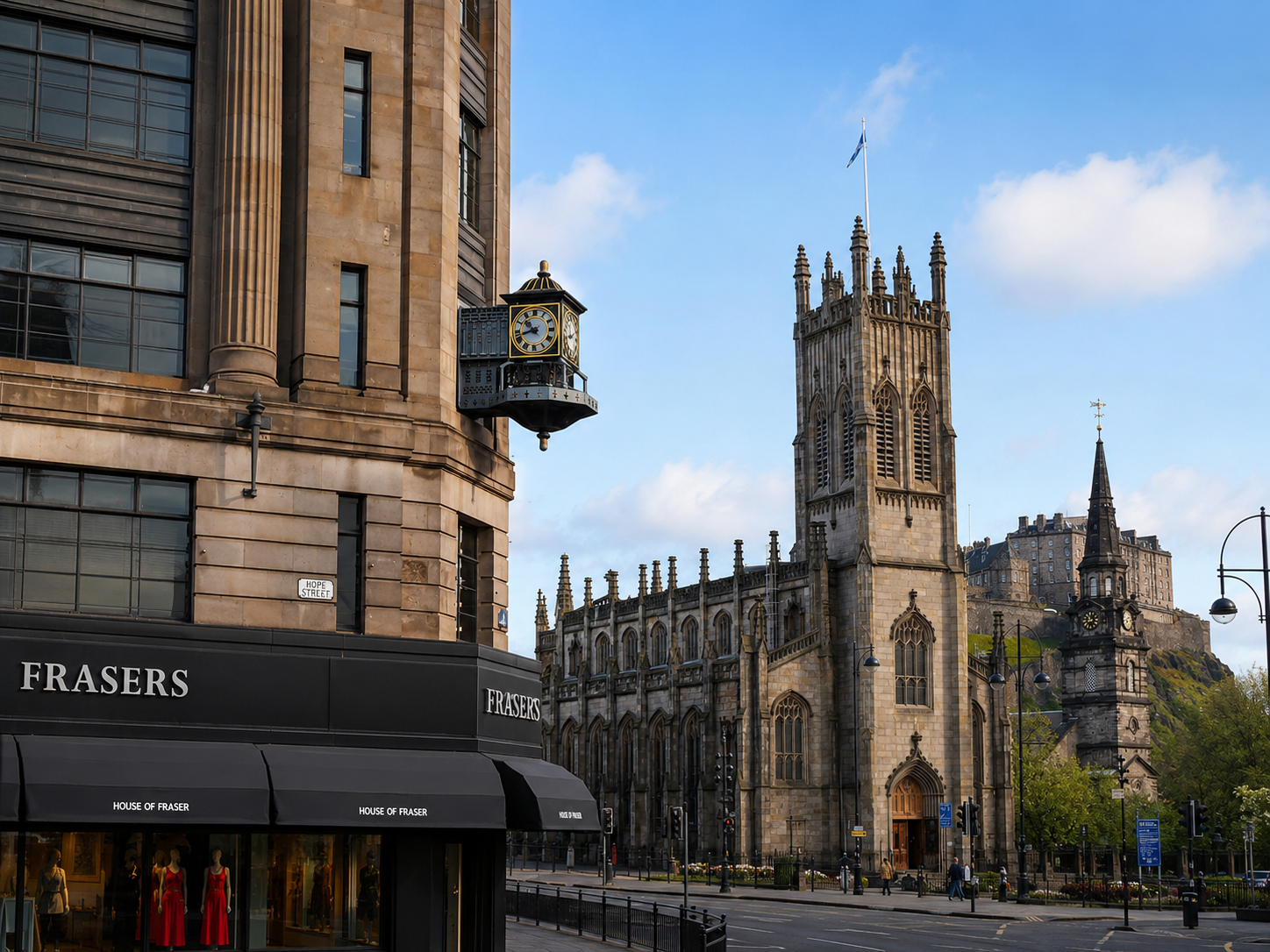
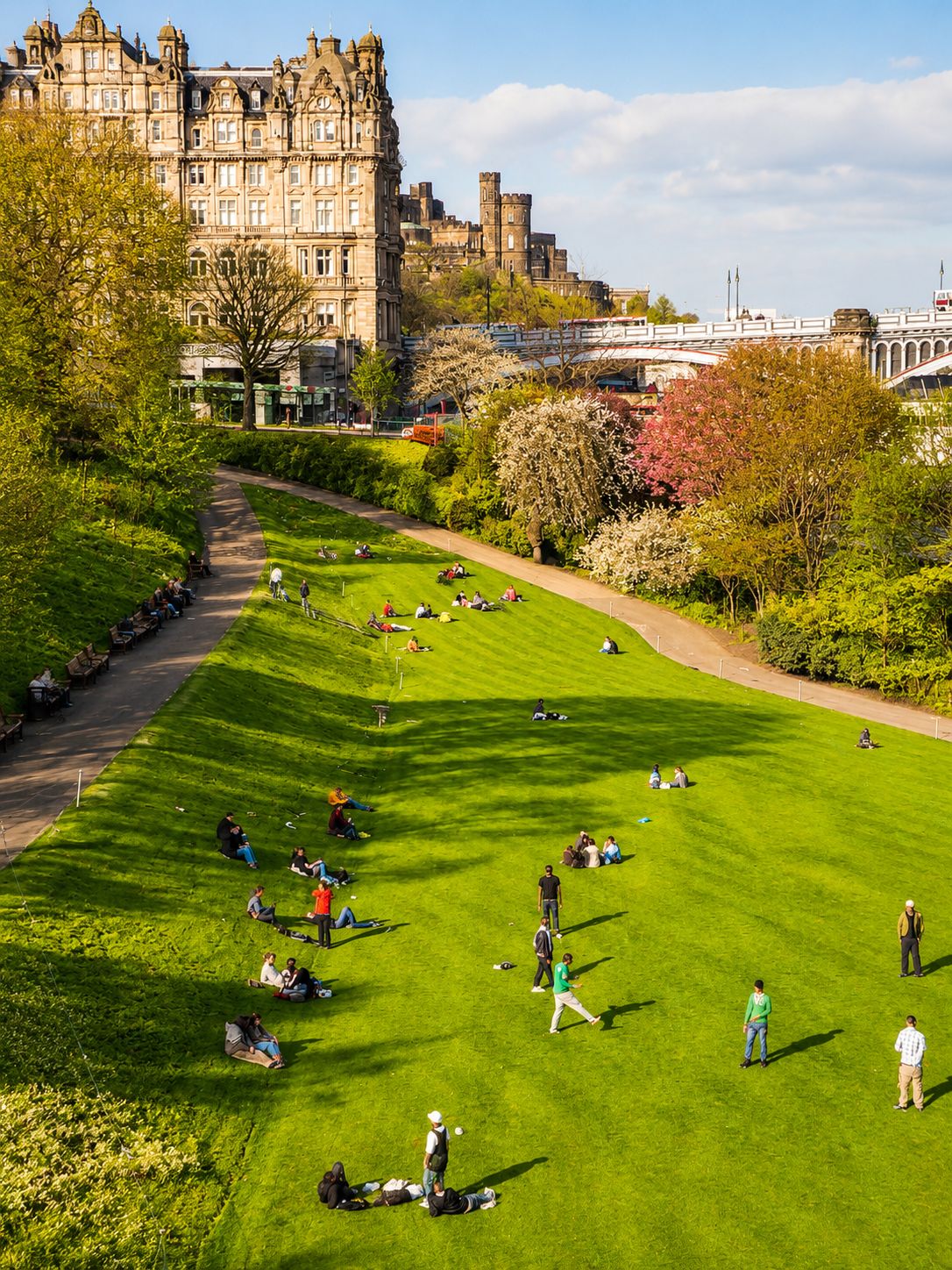
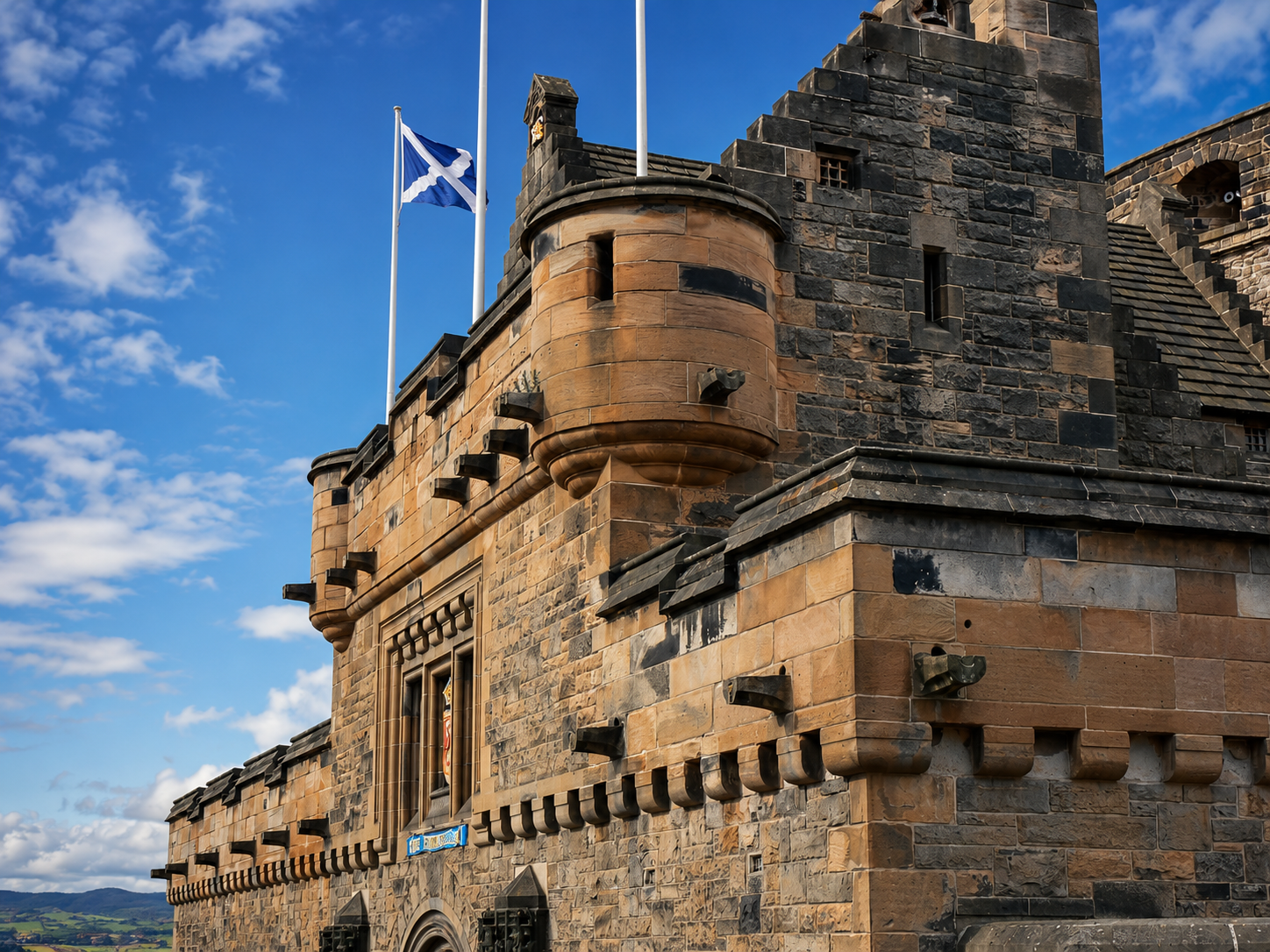
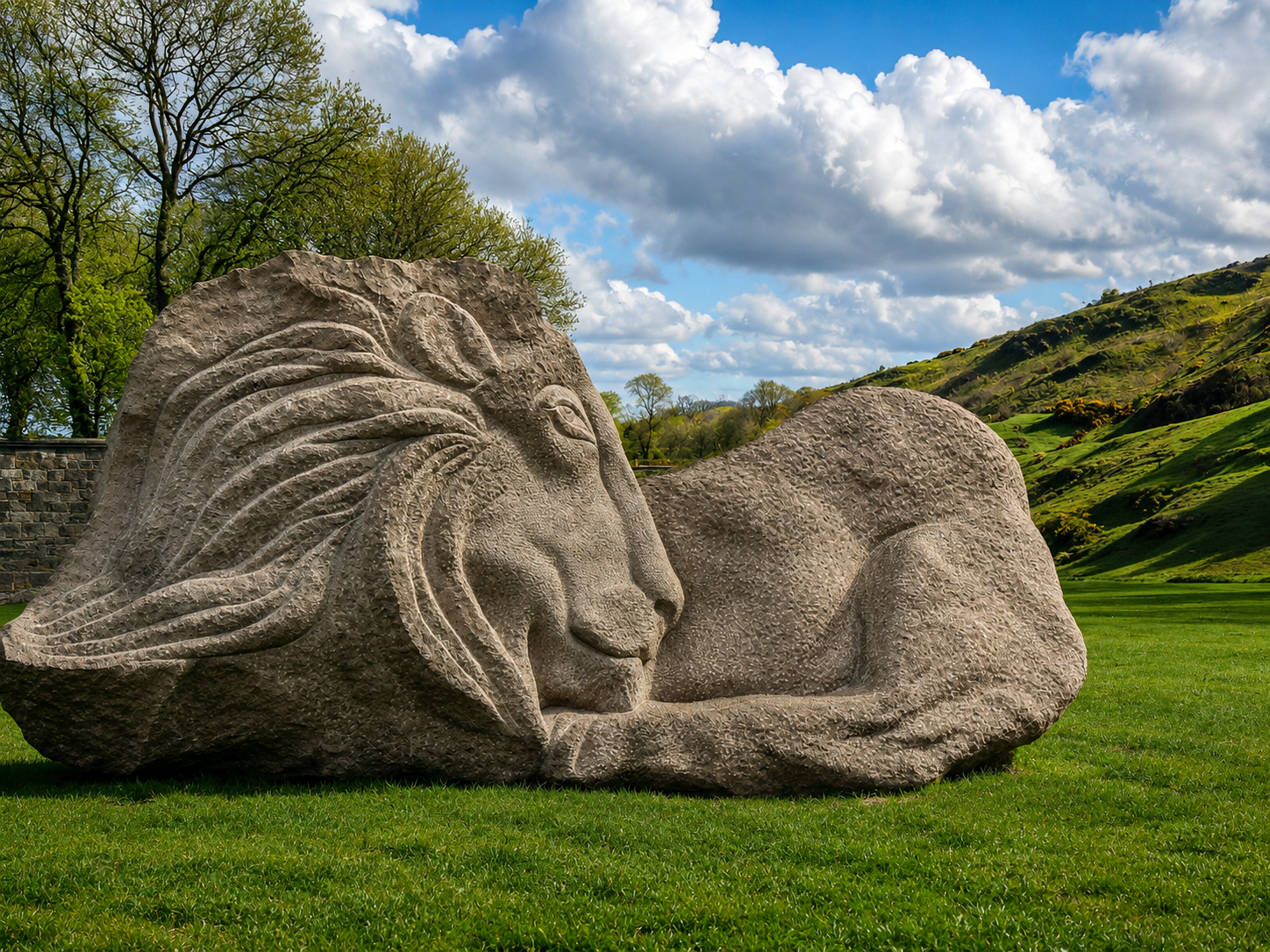
Holyrood Park
Holyrood Park
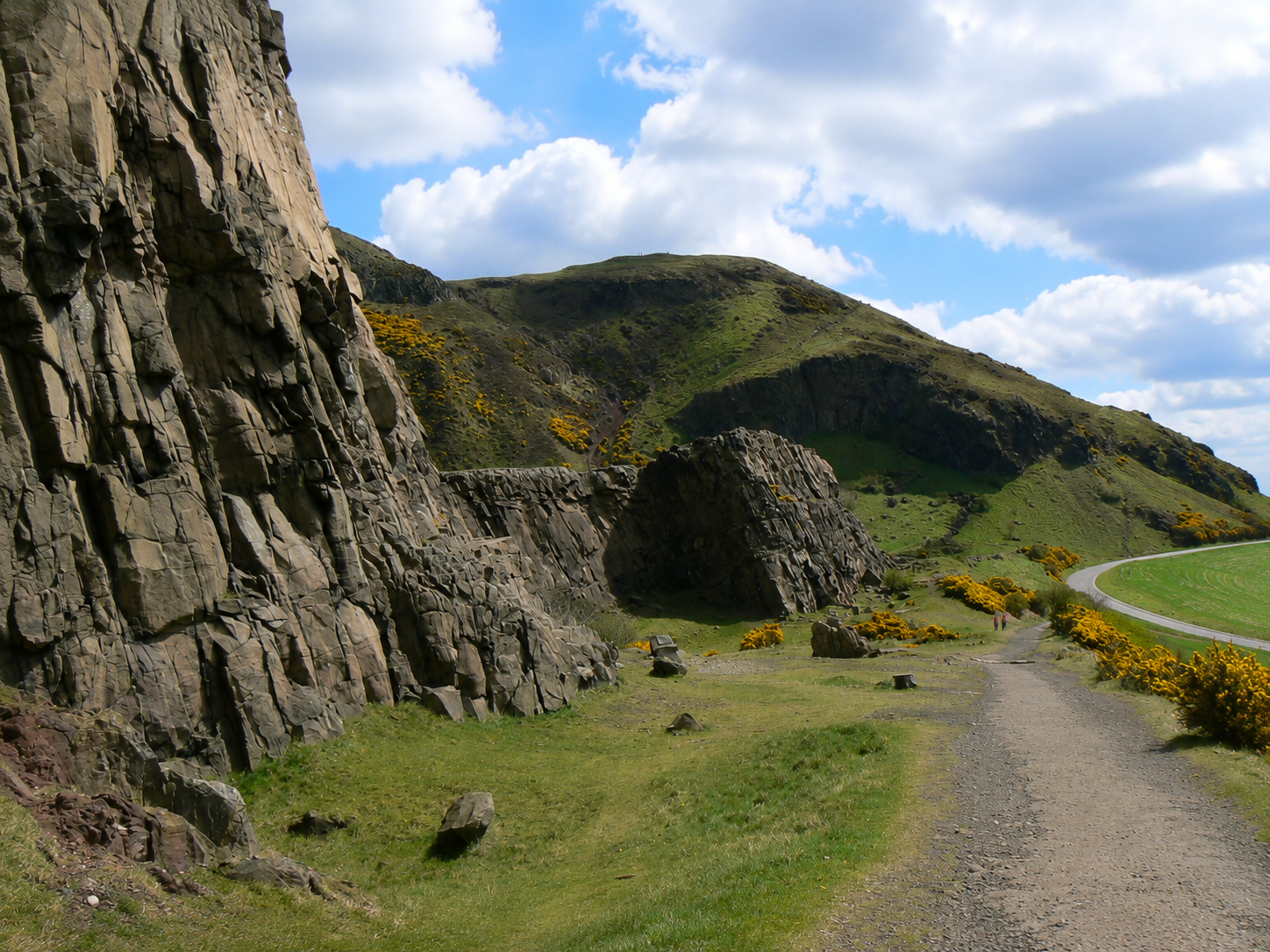
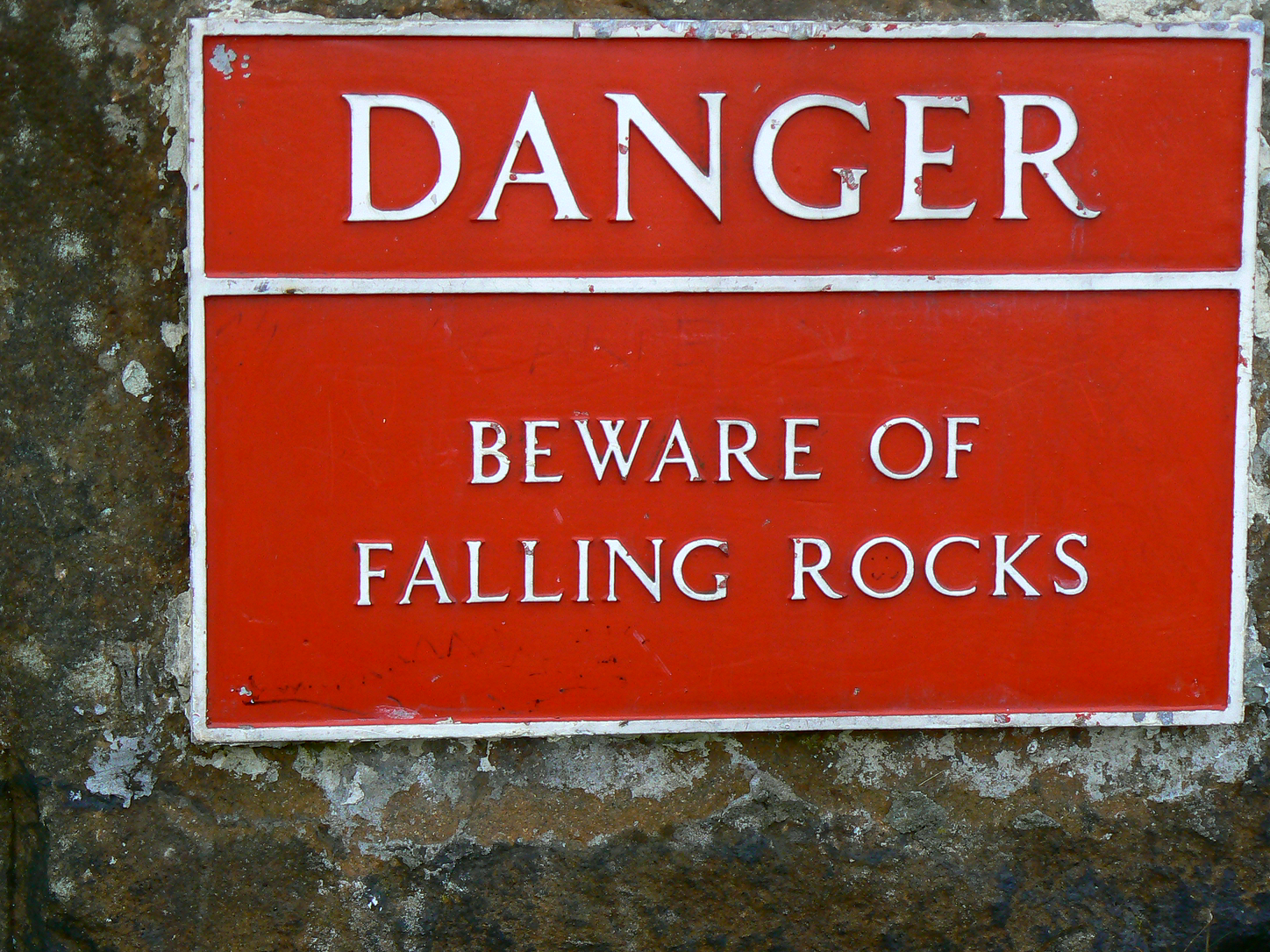
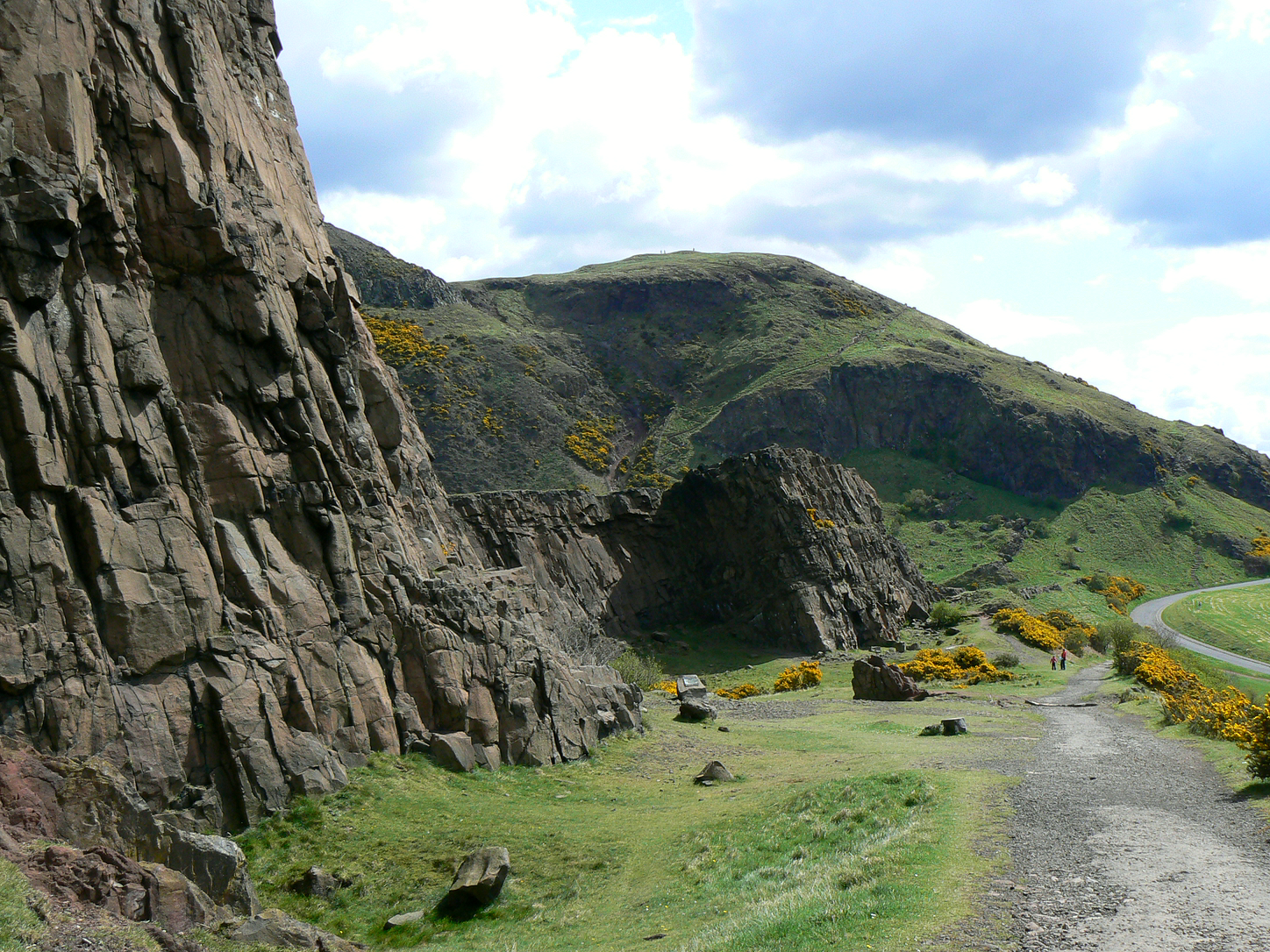
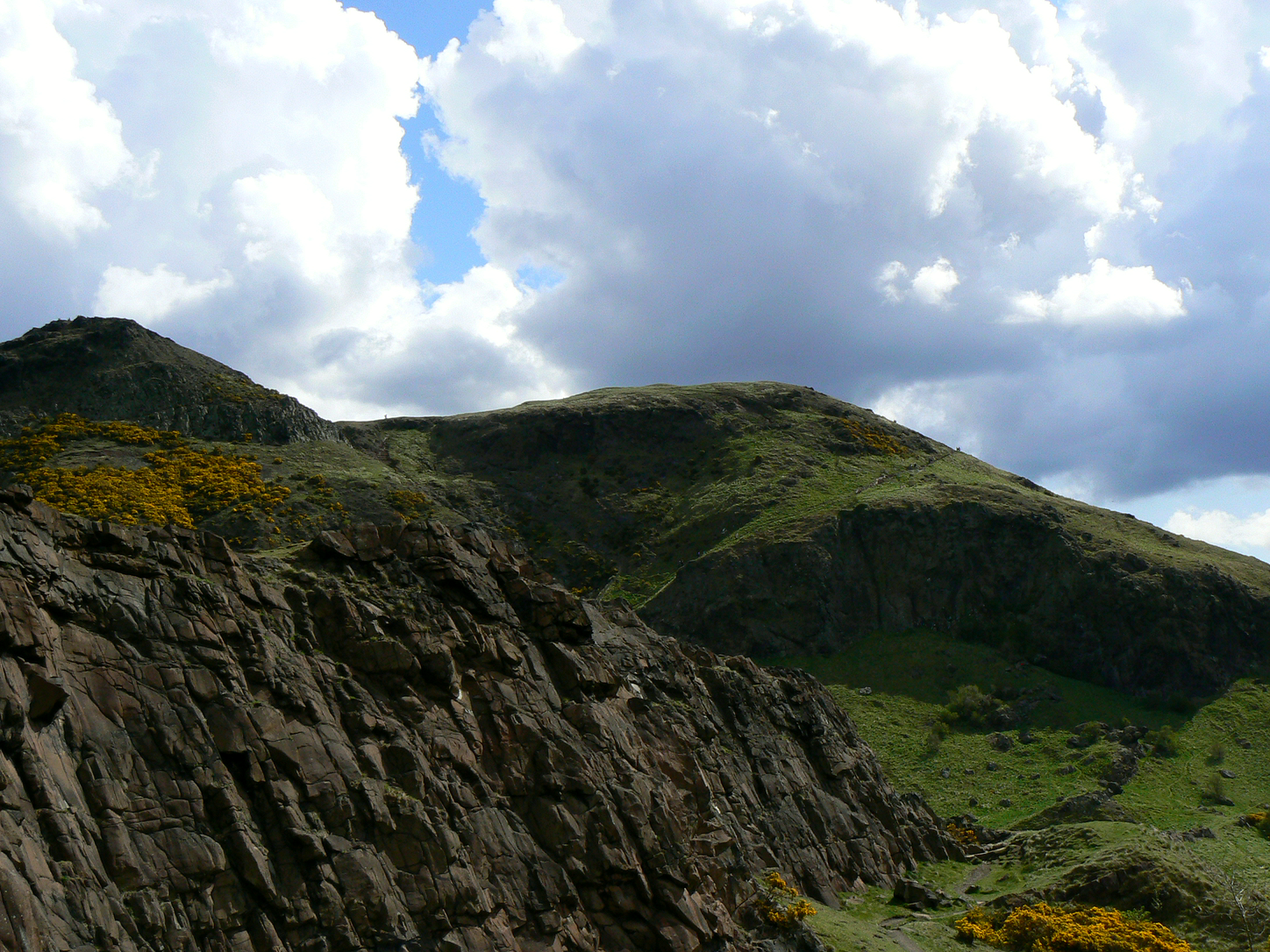
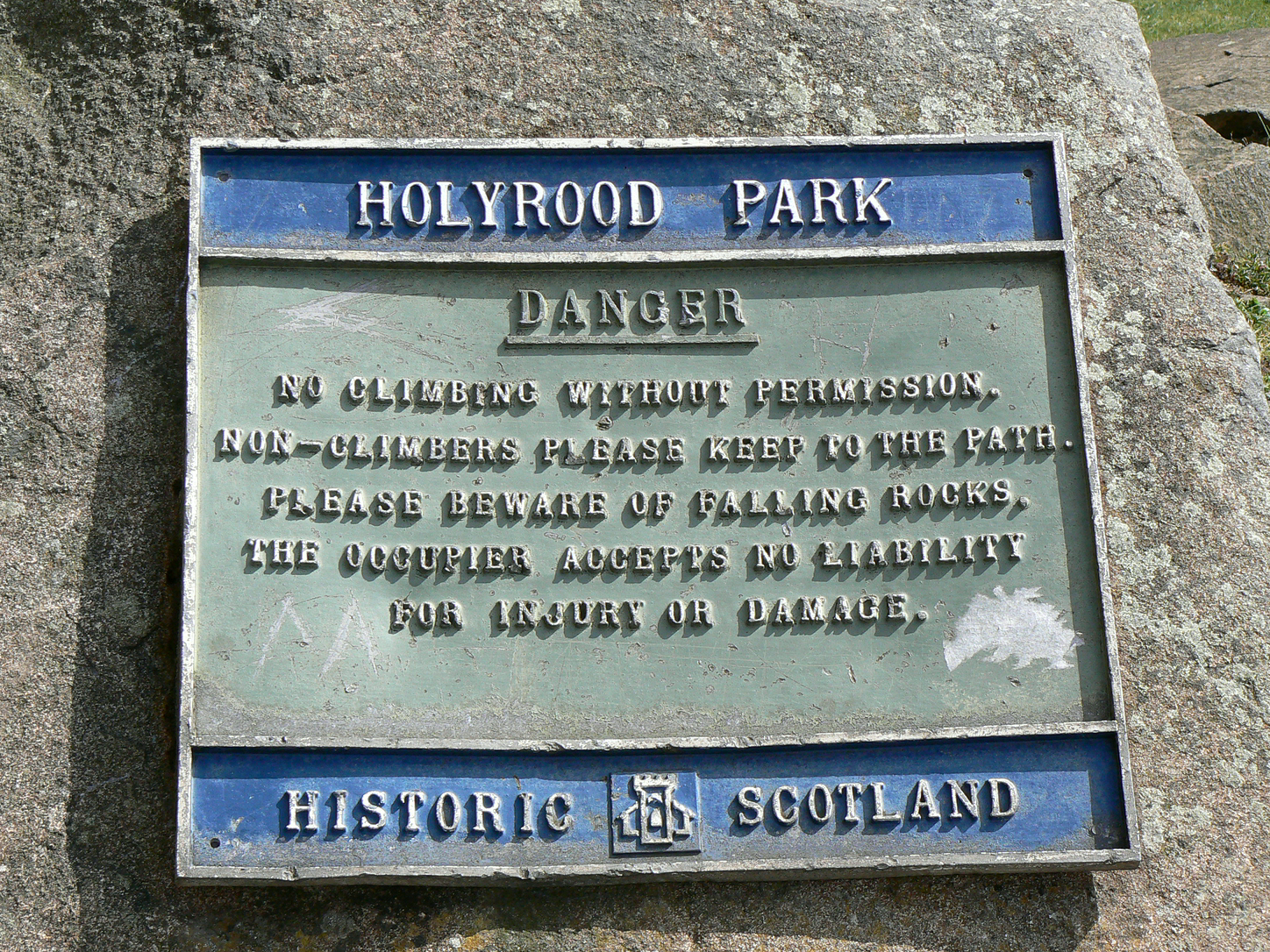
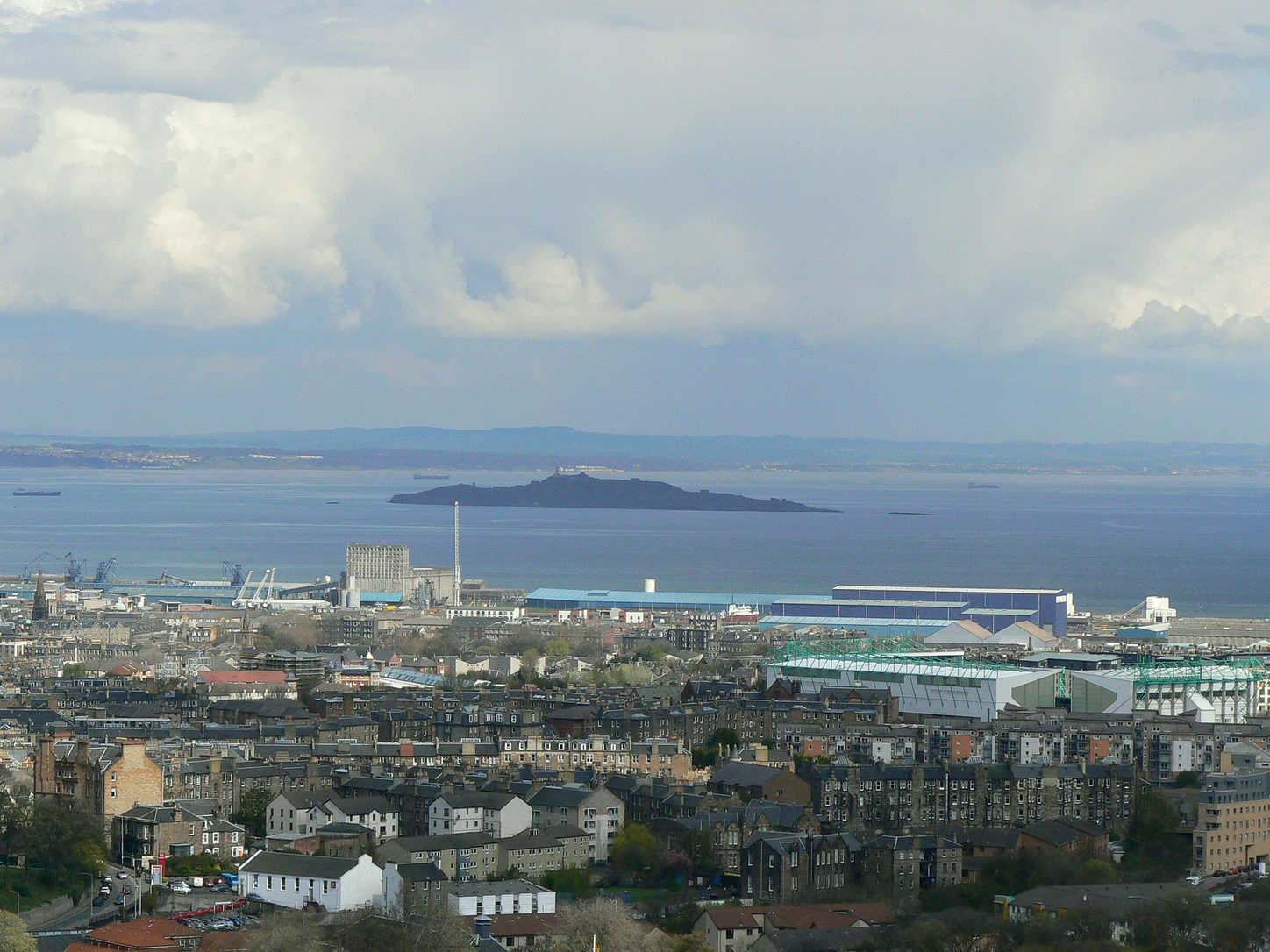
A walk through the royal Holyrood Park and a climb up Arthur's Seat – an extinct volcano and the highest point of the park. From the summit you can see the whole city, the Firth of Forth and the route ahead. Wear comfortable shoes – the rocks can be slippery.
A piece of wild, ancient nature
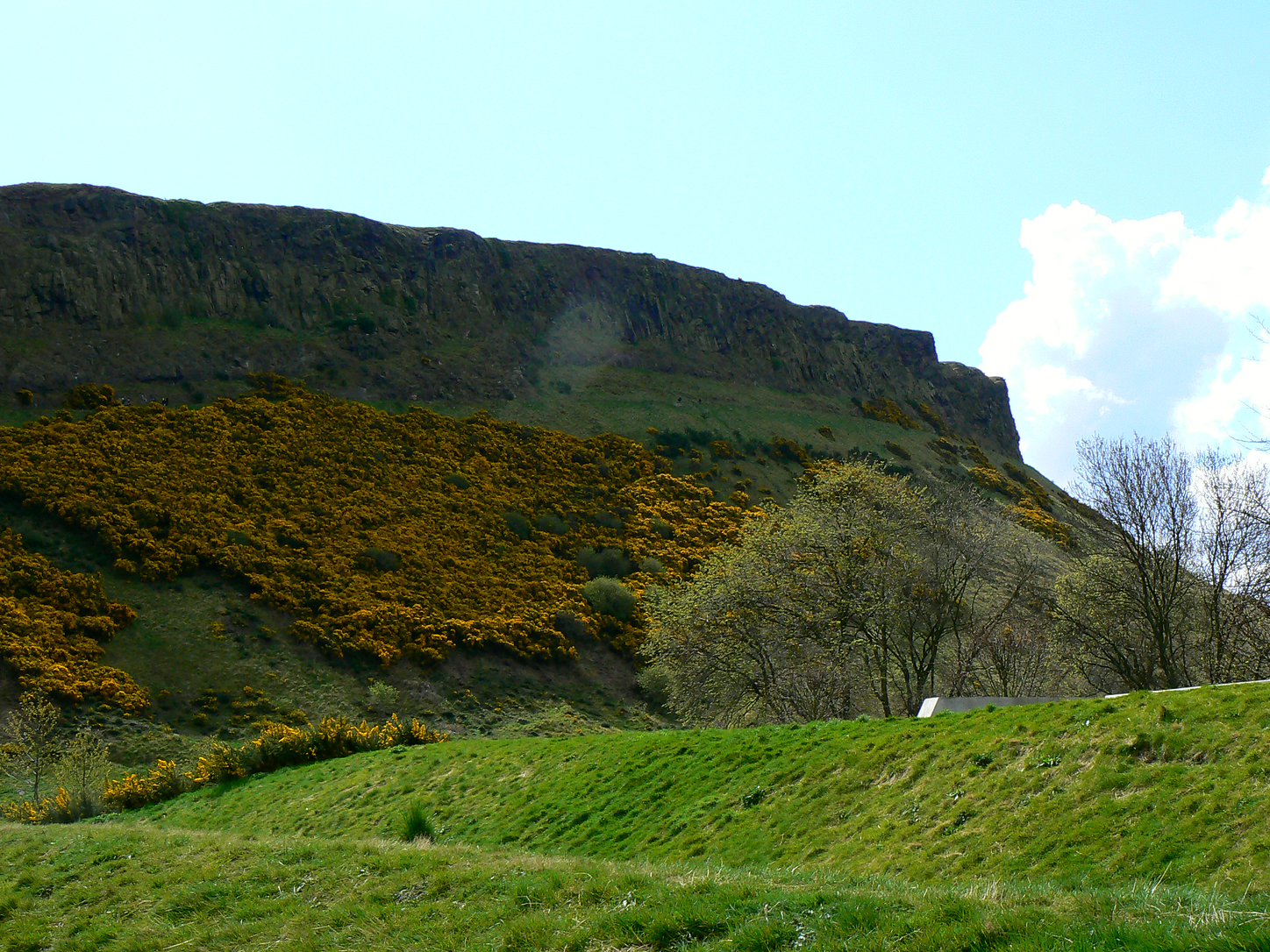
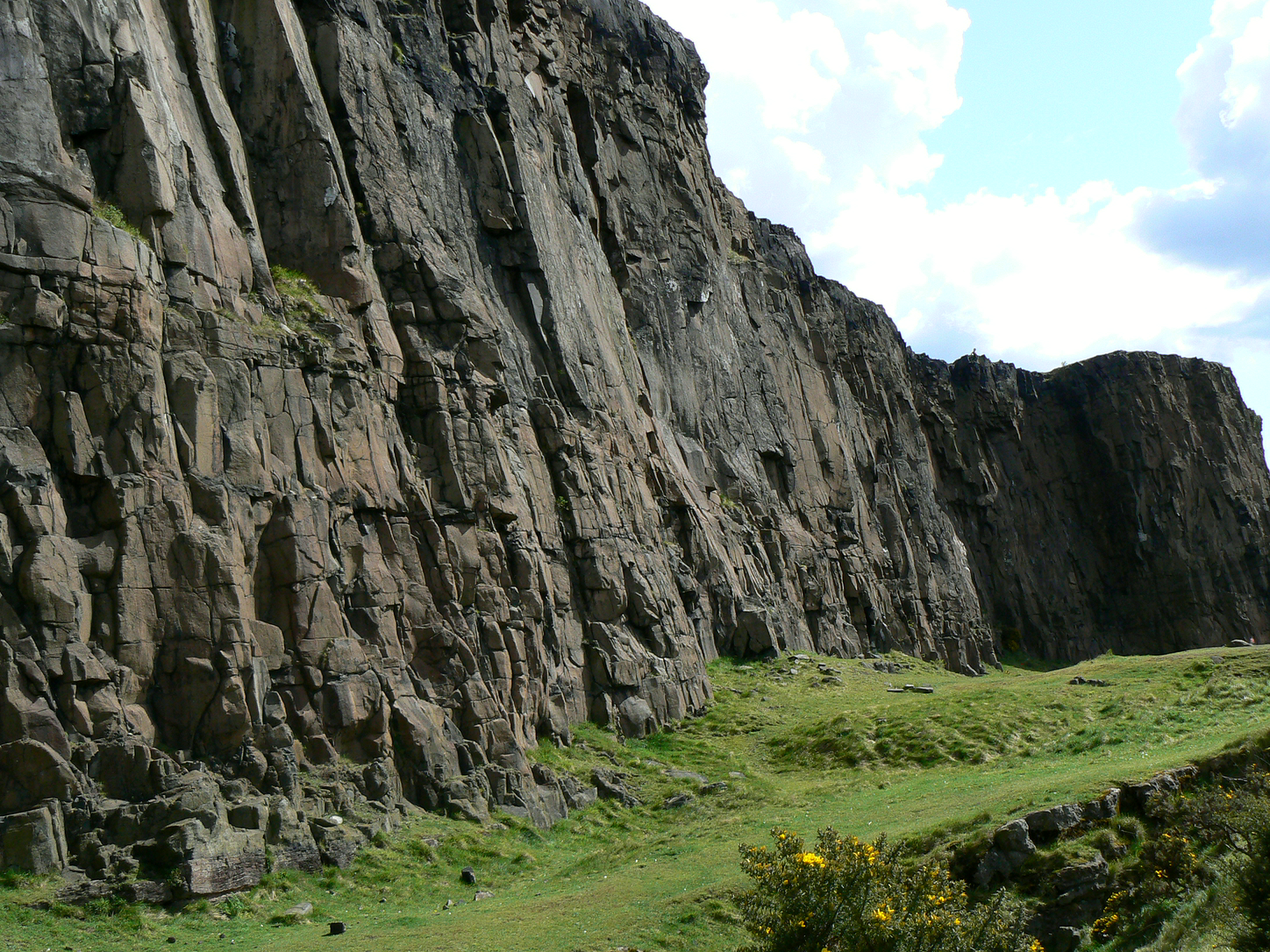
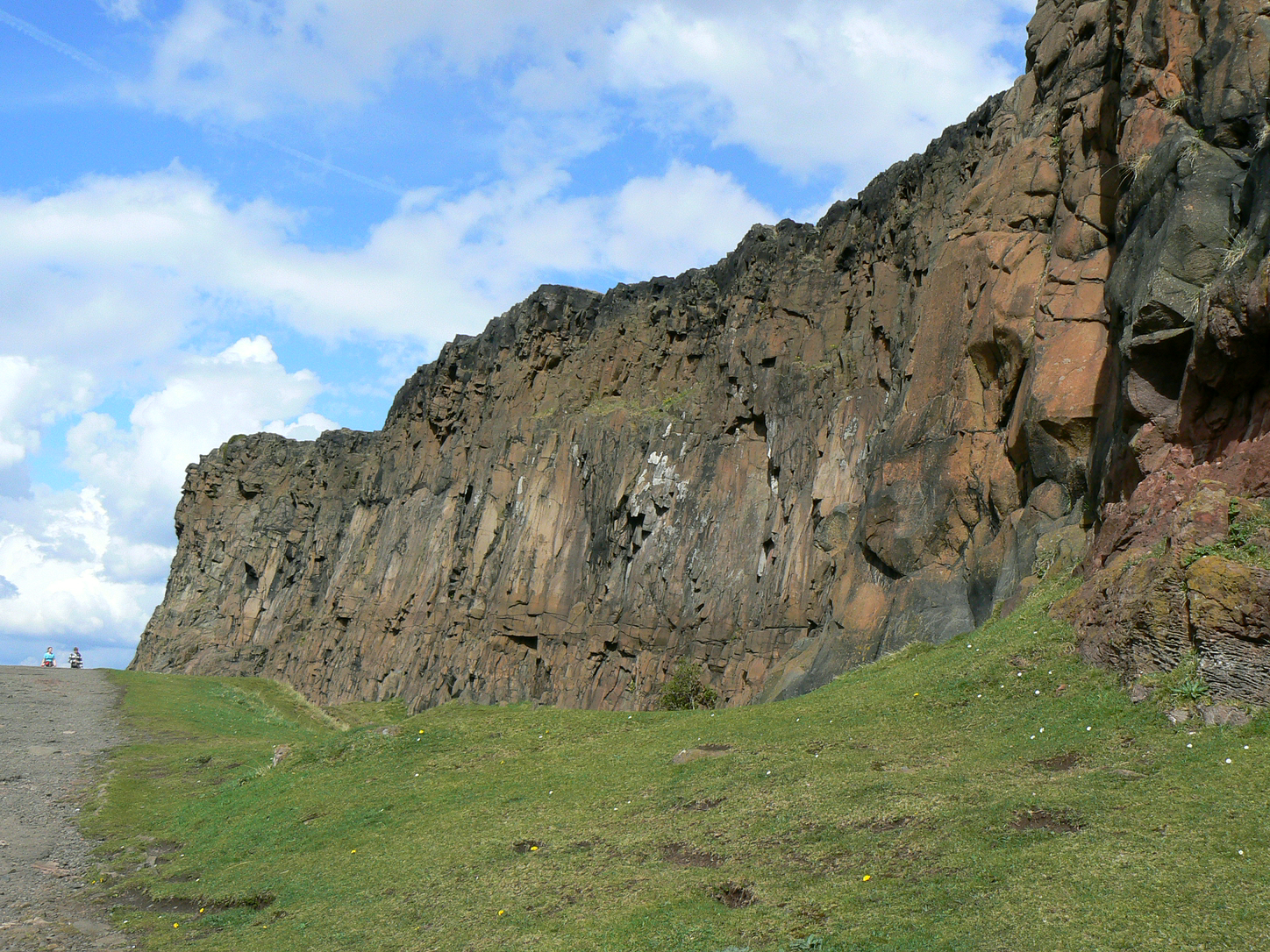
An extinct volcano in the city – the famous Arthur's Seat and the Salisbury Crags cliffs are in fact the remains of a mighty volcano from around 340 million years ago.
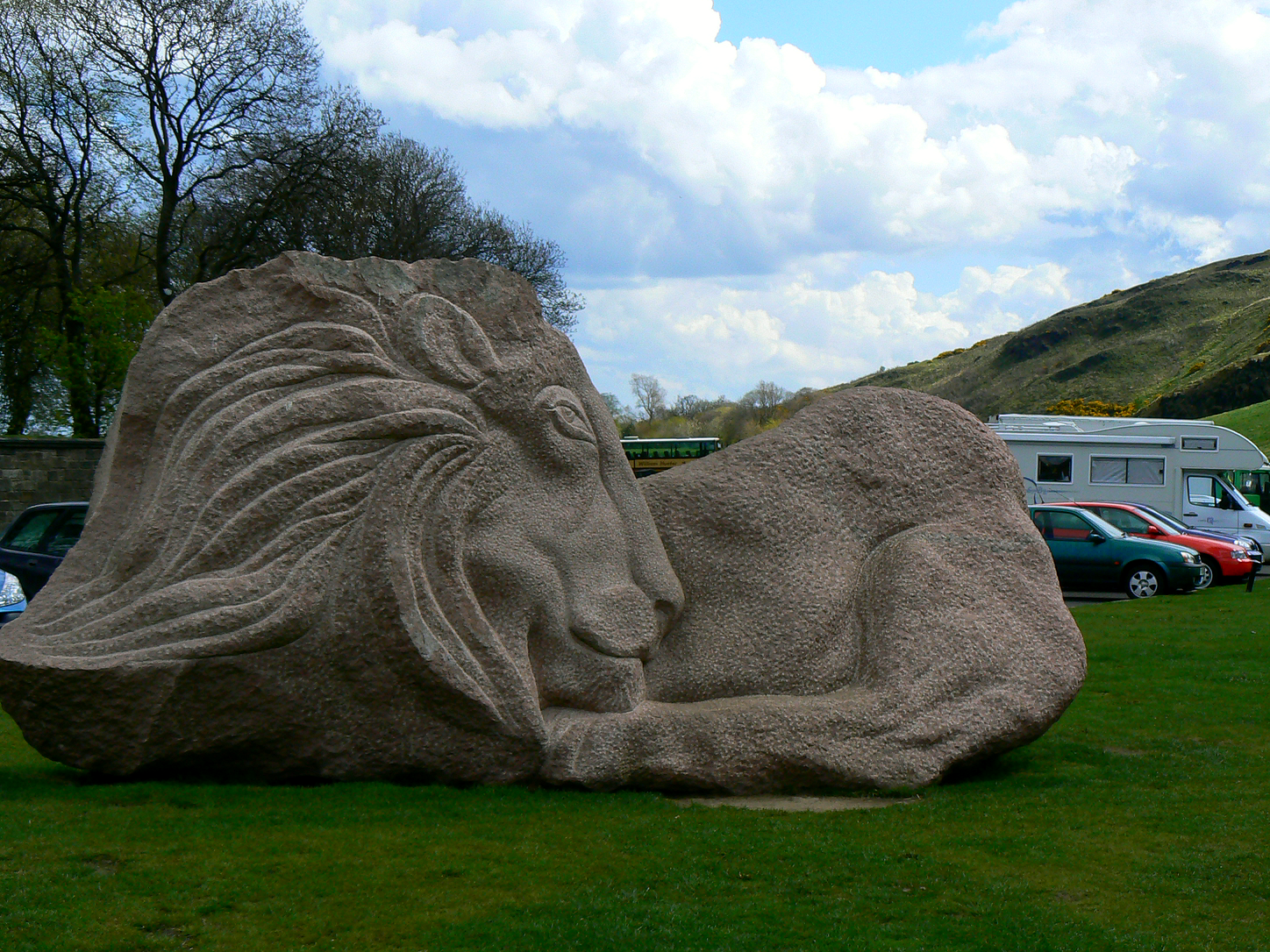
The sleeping lion – seen from the right angle (for example from the west), the shape of Arthur's Seat resembles a great lion lying in wait.
The cradle of modern geology – in the 18th century the Scottish scholar James Hutton studied the rock formations of Salisbury Crags. It was there that he formulated the revolutionary theory of deep time, proving that the Earth is far older than had been believed. The spot is still known today as Hutton's Section.
Royal and legendary beginnings
The miraculous stag – the name "Holyrood" means "Holy Cross". According to legend, King David I was hunting in the local forests in 1128 when he was attacked by a great stag. As the king grabbed the animal by its antlers, a shining cross appeared in his hands in place of the horns and the stag fled. In gratitude for his life being spared, the king founded Holyrood Abbey.
A gift from Prince Albert – although the park has kept its wild character, today's layout of roads and walking paths is the work of Prince Albert (Queen Victoria's husband). In the 1840s he personally oversaw the park's revitalisation project to make it more accessible to the people of Edinburgh.
Holyrood Park
Gallery
Dynamic Earth
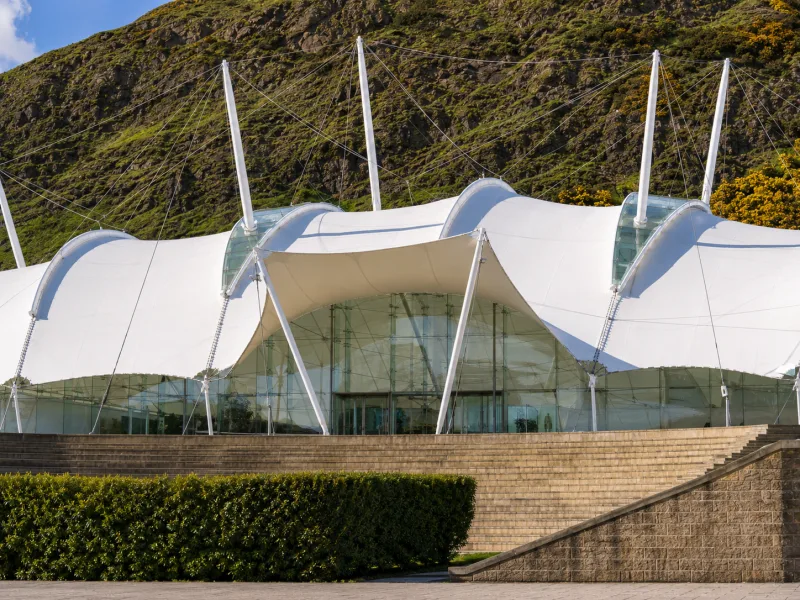
Dynamic Earth – A Cosmic Journey Through Time
Dynamic Earth is a place where science becomes an adventure. The whole exhibition takes the form of a 90-minute interactive walk full of sensory effects and modern technology. A visit lets you literally feel how our world took shape.
Top attractions: a Big Bang simulator, a time machine taking you back to the age of the dinosaurs, touching a real, giant block of polar ice, and a modern 360-degree planetarium with spectacular astronomy shows.
Who is it for: the absolute number one if you are planning a trip for families with children. Adult geology fans will find plenty of fascinating details too, although the exhibition leans strongly towards learning through play.
Visiting time: allow around 2 hours for a full visit (exhibition + planetarium show).
Website: https://dynamicearth.org.uk
The Scottish Parliament
The Scottish Parliament
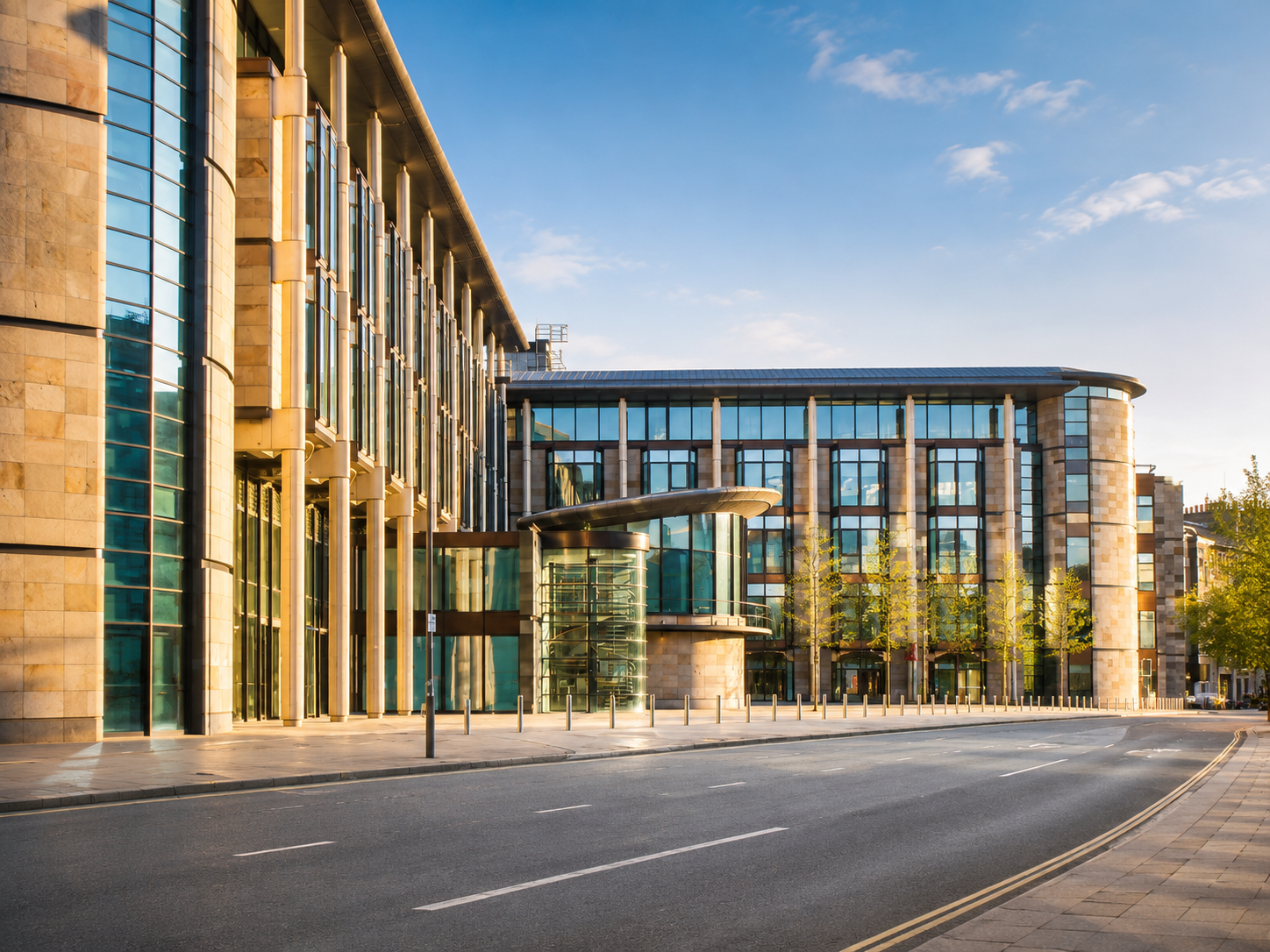
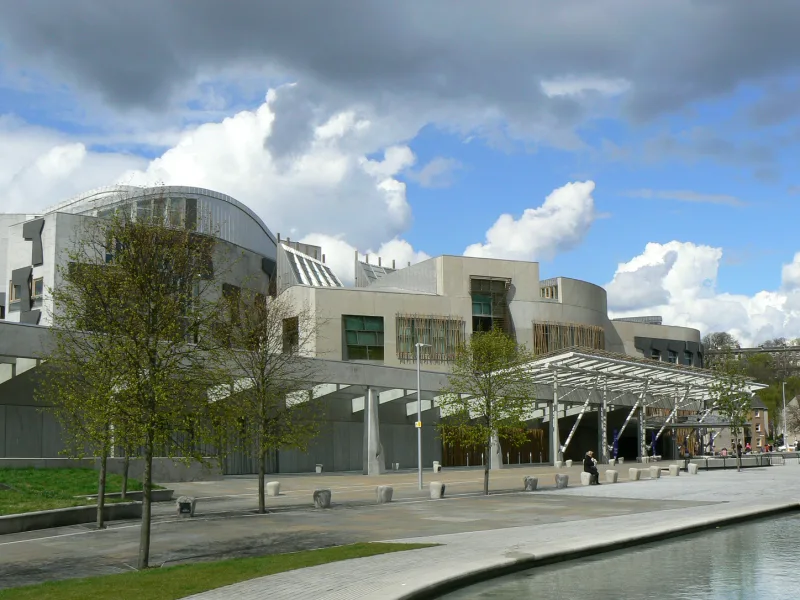
The Scottish Parliament building in Edinburgh is one of the most distinctive and controversial works of 21st-century architecture in Europe. The avant-garde structure of oak, granite and steel, designed by the Spanish architect Enric Miralles, opened in 2004. Its form references the Scottish landscape, upturned fishing boats and leaves. The building stirs extreme emotions, from admiration to sharp criticism over its construction costs. Today it stands as a symbol of Scotland's modern identity and autonomy.
Top attractions: the Debating Chamber with its spectacular timber roof without a single supporting pillar, the sculptural ceilings of the Main Hall, and the unique windows shaped like the silhouette of a seated figure (the so-called Contemplation Spaces).
Who is it for: a must-see for lovers of contemporary architecture and politics, and for anyone who wants to understand the country's modern history.
Visiting time: about 1 hour (self-guided) or 1.5 hours with a booked guided tour.
Practical information for visitors
Location: the Holyrood district, at the very end of the historic Royal Mile, opposite the official royal residence – the Palace of Holyroodhouse.
Admission: completely free. The public areas and the permanent exhibition can be explored without booking tickets in advance.
Opening hours: Monday to Saturday, 10:00–17:00 (last entry at 16:30). The building is closed to visitors on Sundays.
Official website: https://www.parliament.scot. You can book free tickets for official guided tours or get gallery tickets for parliamentary sessions.
Royal Mile
Royal Mile
On a weekend trip to Edinburgh it is well worth setting aside time for a stroll along the Royal Mile – the city's most famous street. The route leads from Edinburgh Castle all the way to the Palace of Holyroodhouse, passing historic tenements, atmospheric alleyways, souvenir shops and traditional Scottish pubs. The Royal Mile is the perfect place to soak up the atmosphere of old Edinburgh and see many of its top attractions in a single walk.
Royal Mile highlights
- Edinburgh Castle – a mighty fortress towering over the city, home to the Scottish crown jewels and centuries of national history.
- Camera Obscura & World of Illusions – an interactive museum full of optical illusions, with a viewing terrace overlooking Edinburgh.
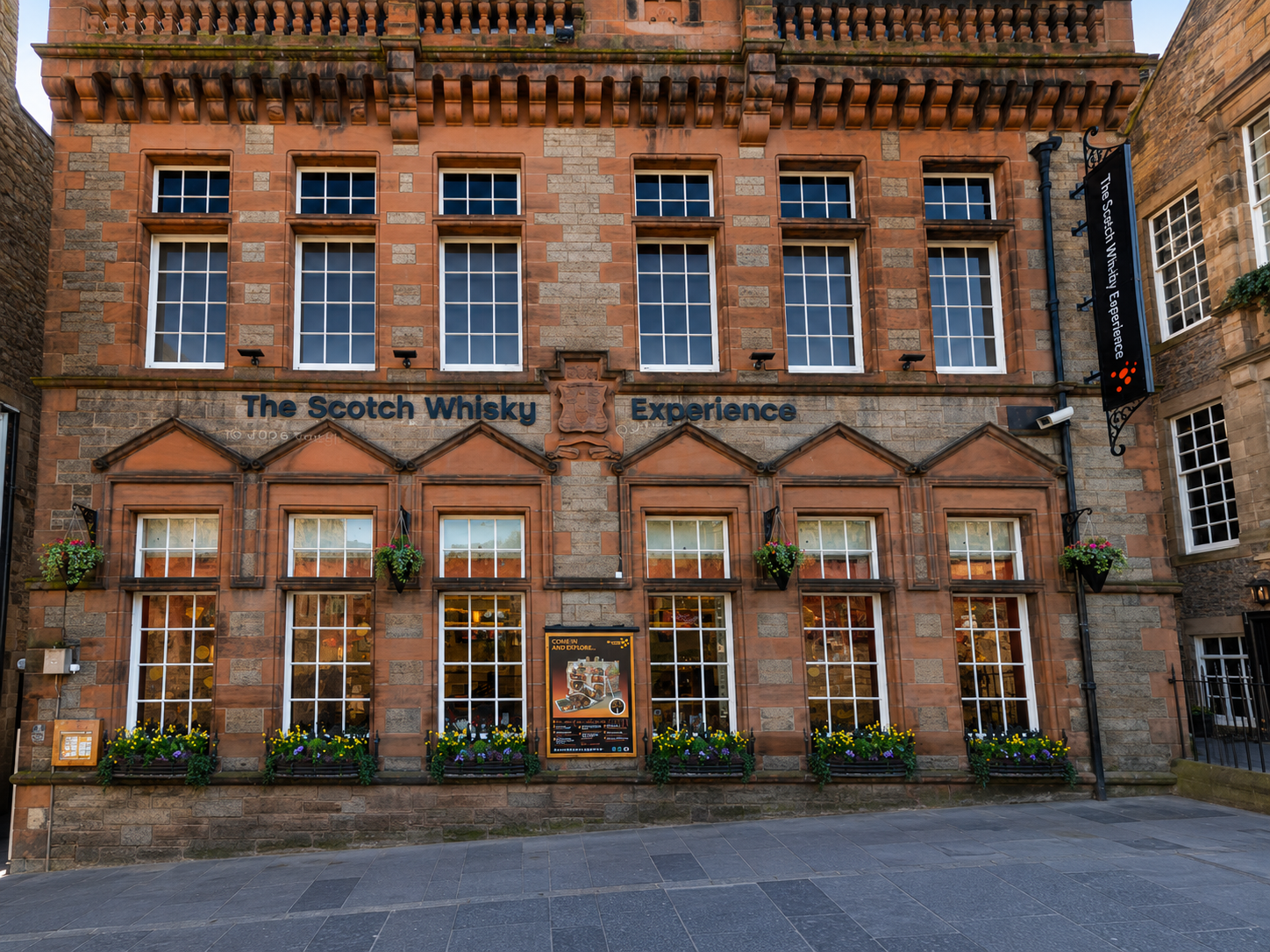
- The Scotch Whisky Experience – a multimedia exhibition devoted to the production and history of Scotch whisky.
- St Giles' Cathedral – one of Edinburgh's most important historic churches, instantly recognisable by its crown-shaped spire.
- The Real Mary King's Close – underground streets and old houses hidden beneath the modern city, explored on a guided tour.
- John Knox House – one of the oldest surviving buildings on the Royal Mile.
- Museum of Edinburgh – a small museum telling the story of the city.
- Canongate Kirk – a historic church with an old graveyard beside it.
- The Scottish Parliament Building – the modern seat of the Scottish Parliament, located towards the lower end of the street.
- Palace of Holyroodhouse – the official royal residence in Edinburgh and the end point of the Royal Mile.
The narrow alleyways known as closes and wynds, the historic tenements, street performers, souvenir shops and traditional Scottish pubs are an attraction in themselves. Allow around 2–3 hours for a leisurely walk along the Royal Mile with short stops; visiting the castle, the palace and the museums can easily fill most of a day.
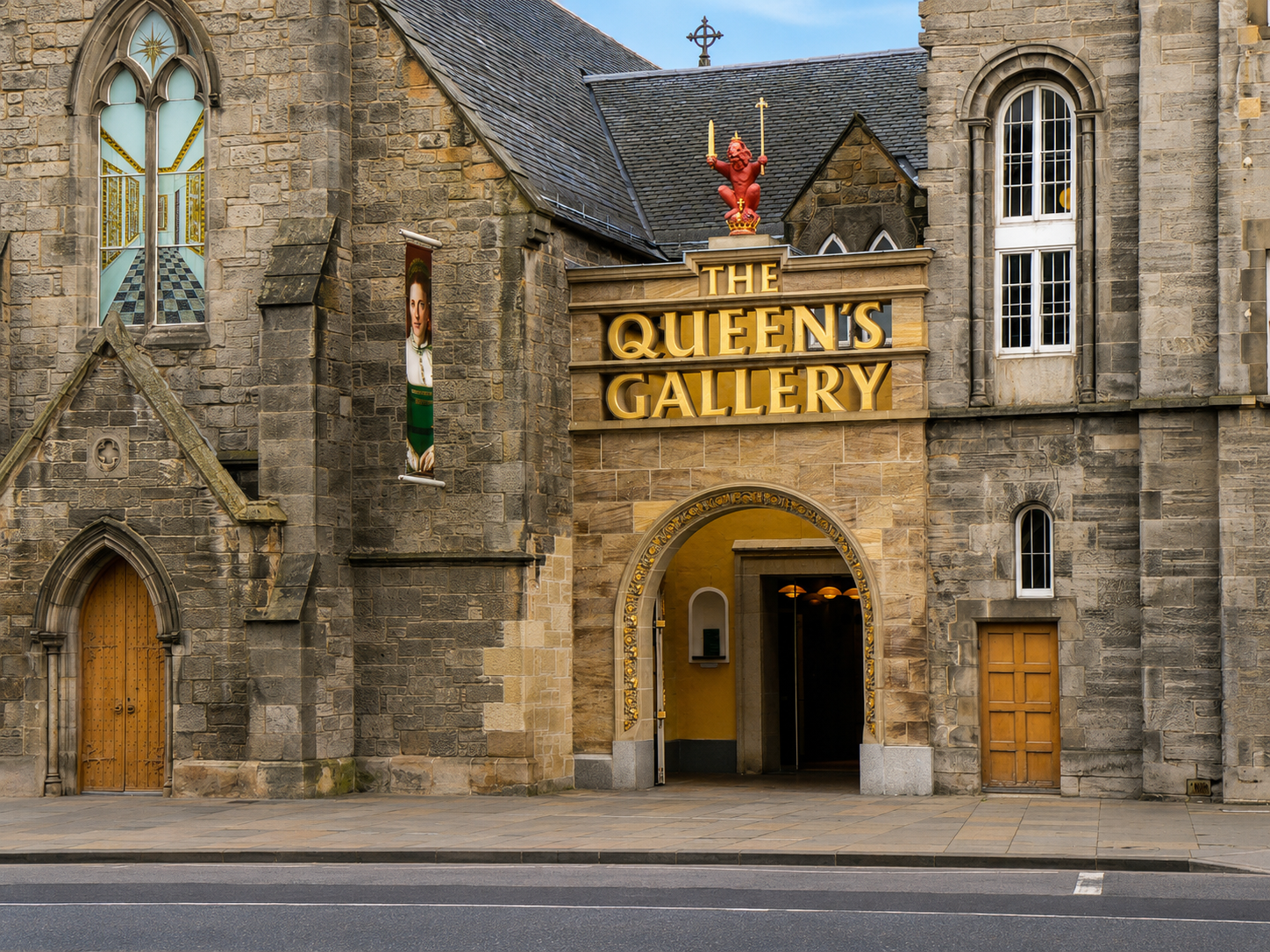
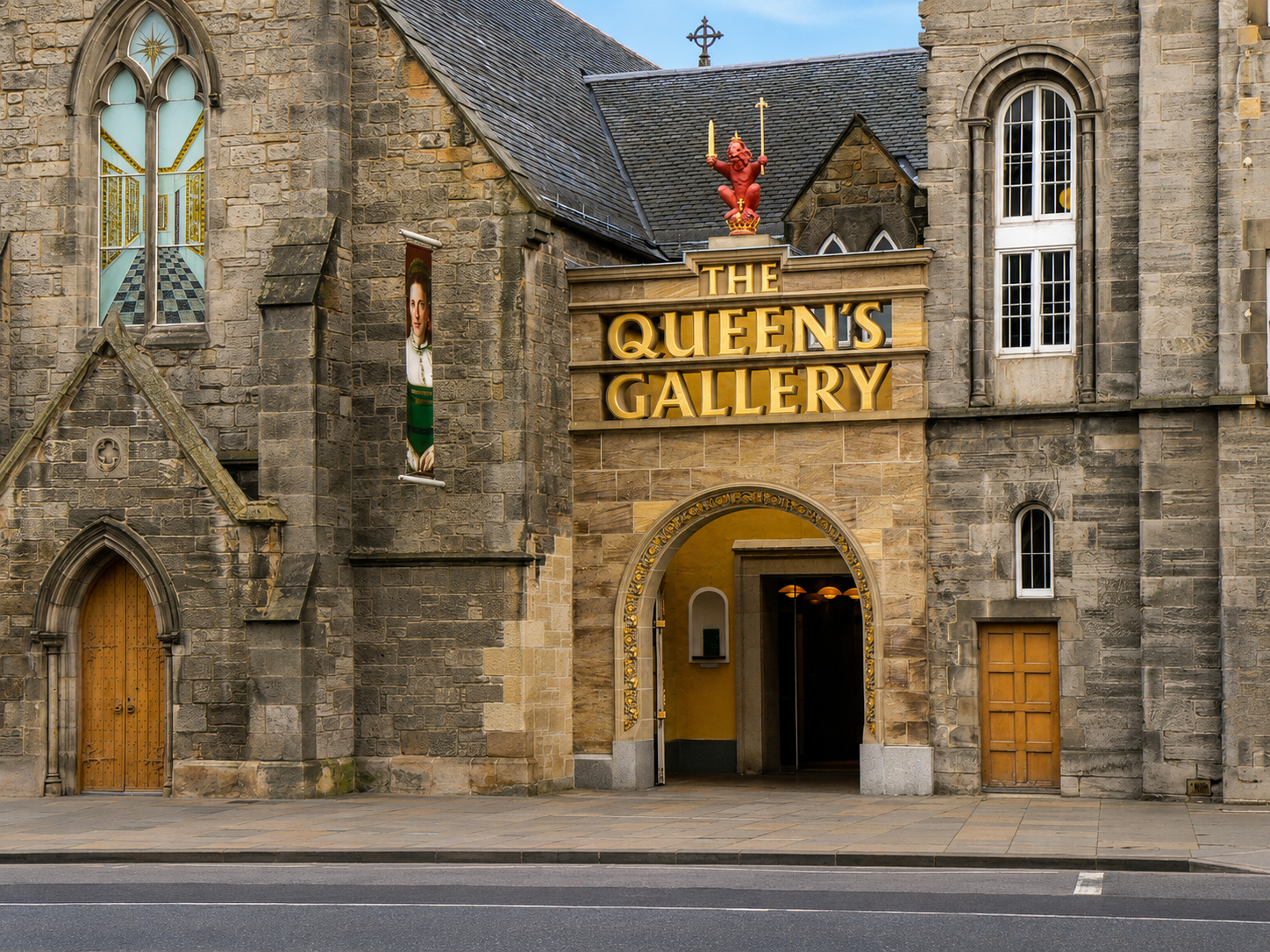
The Queens Gallery
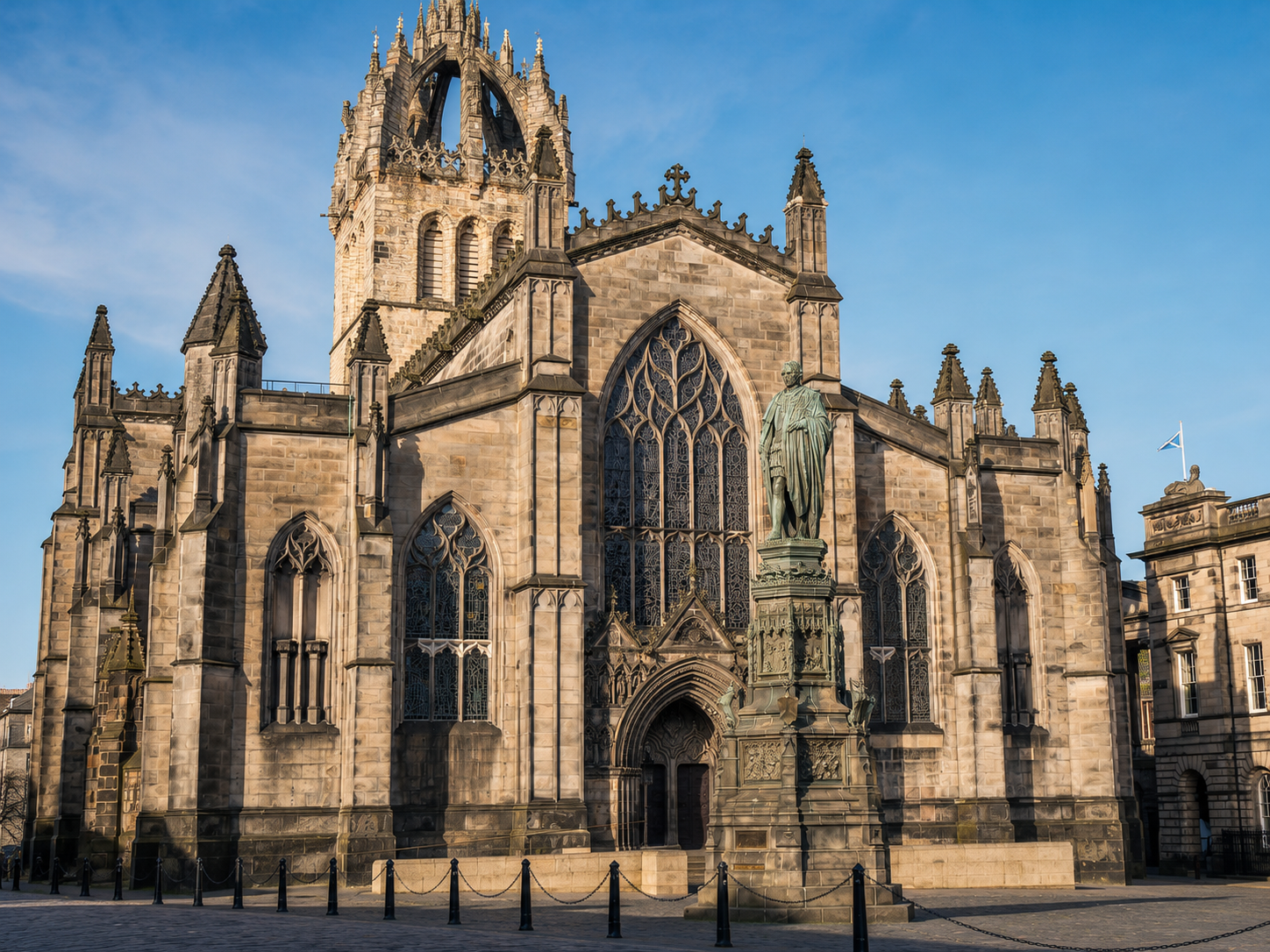
St Giles’ Cathedral
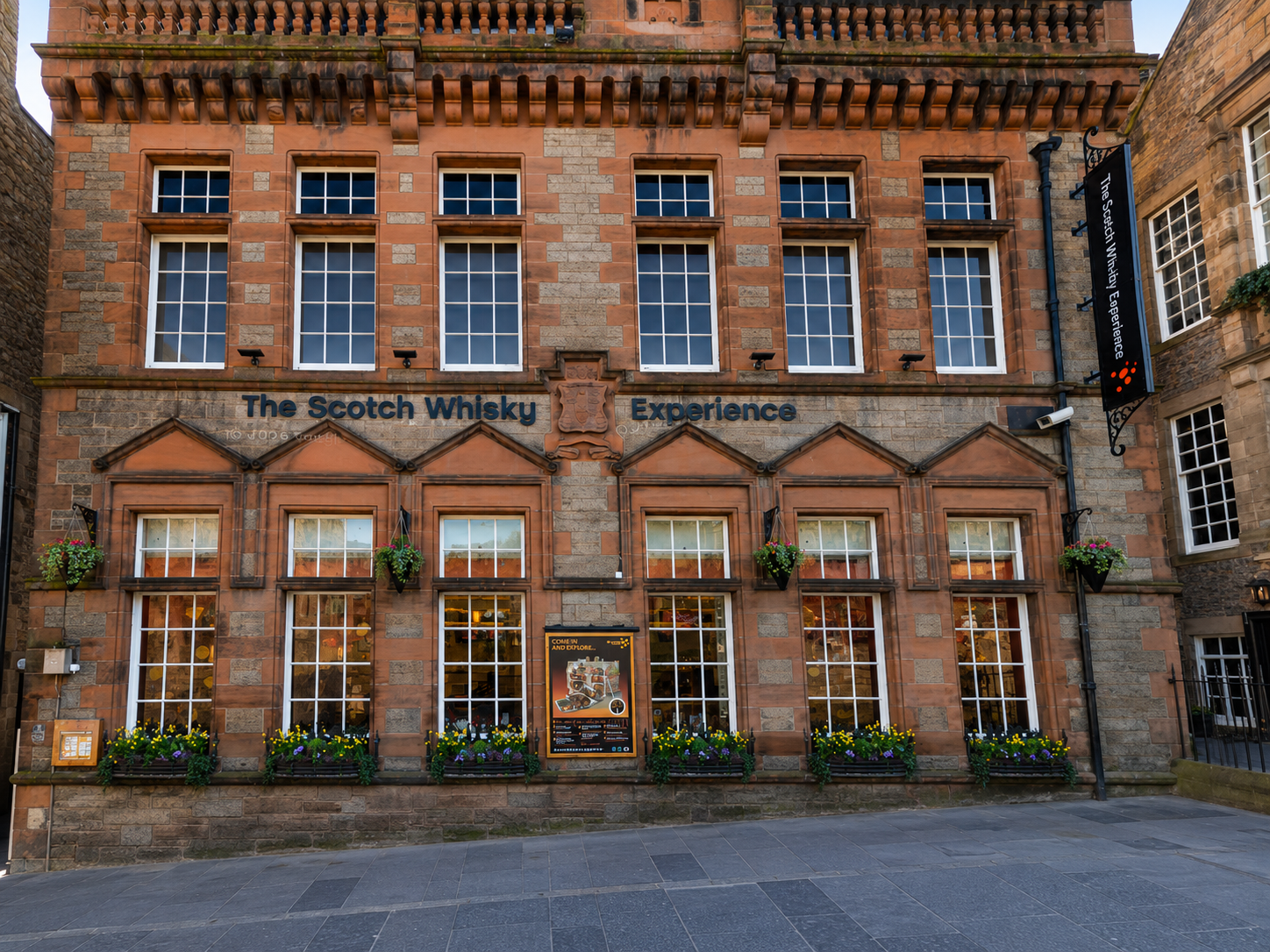
The Scotch Whisky Experience
Edinburgh Castle
Info
Edinburgh Castle
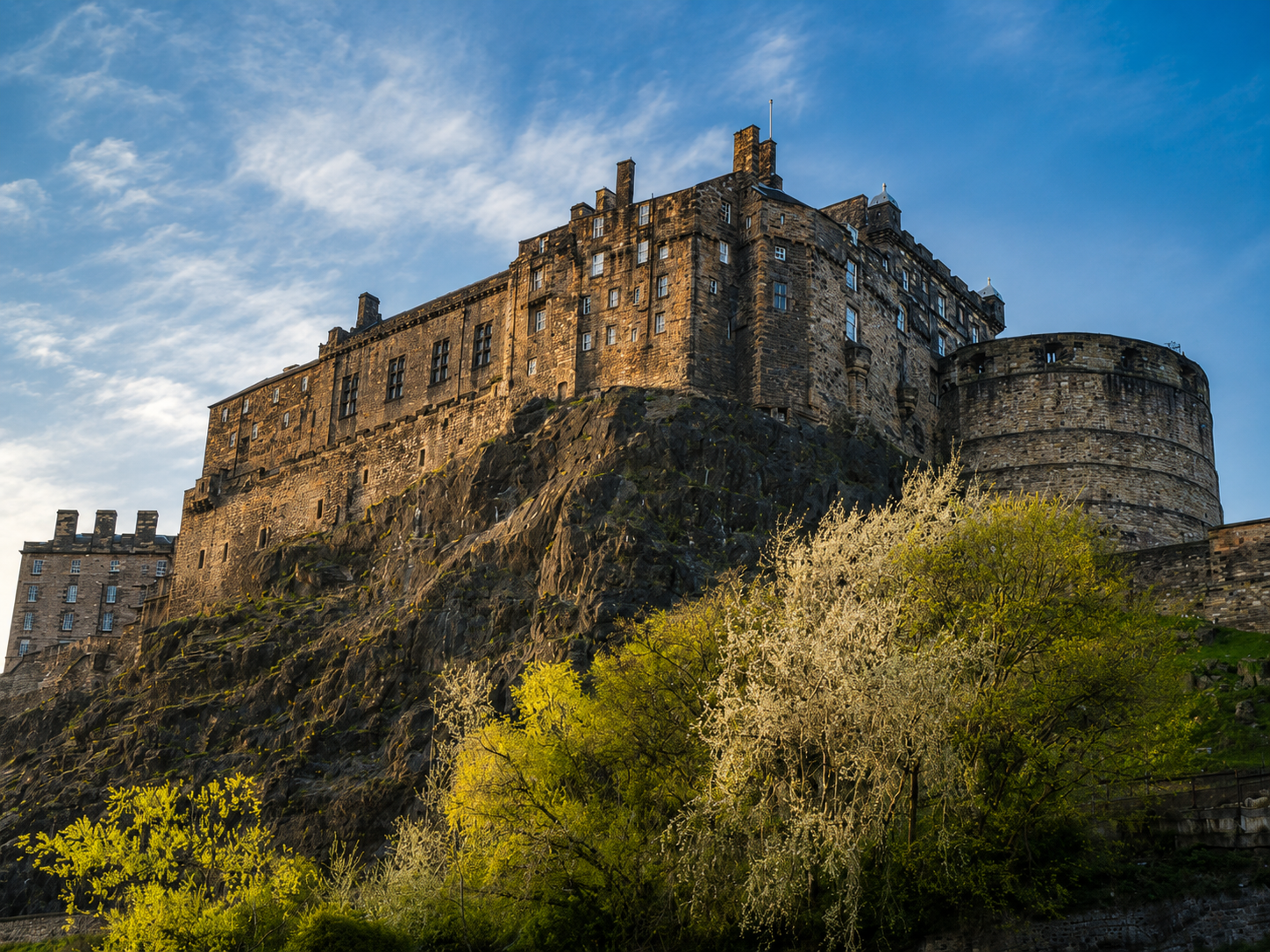
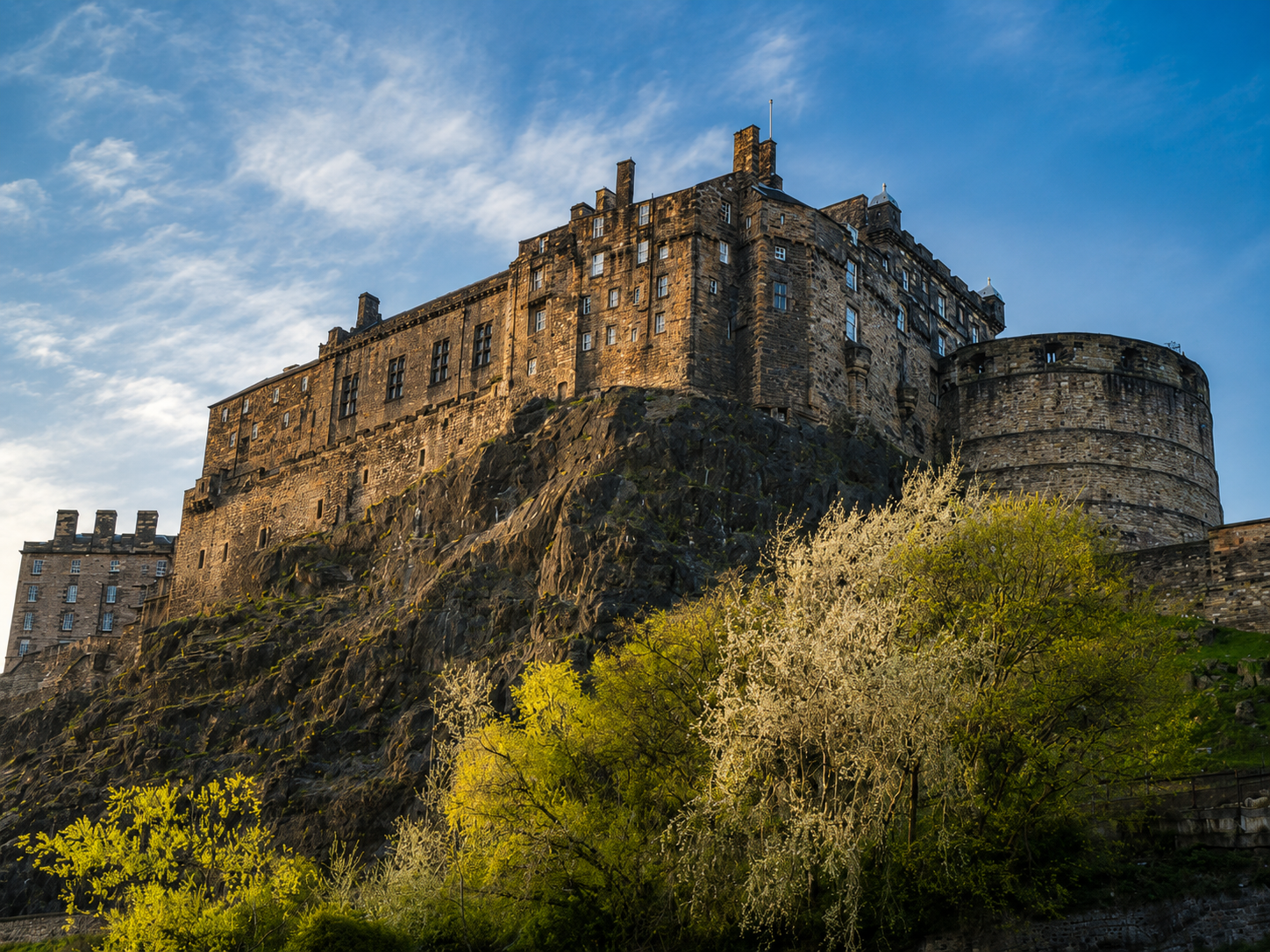
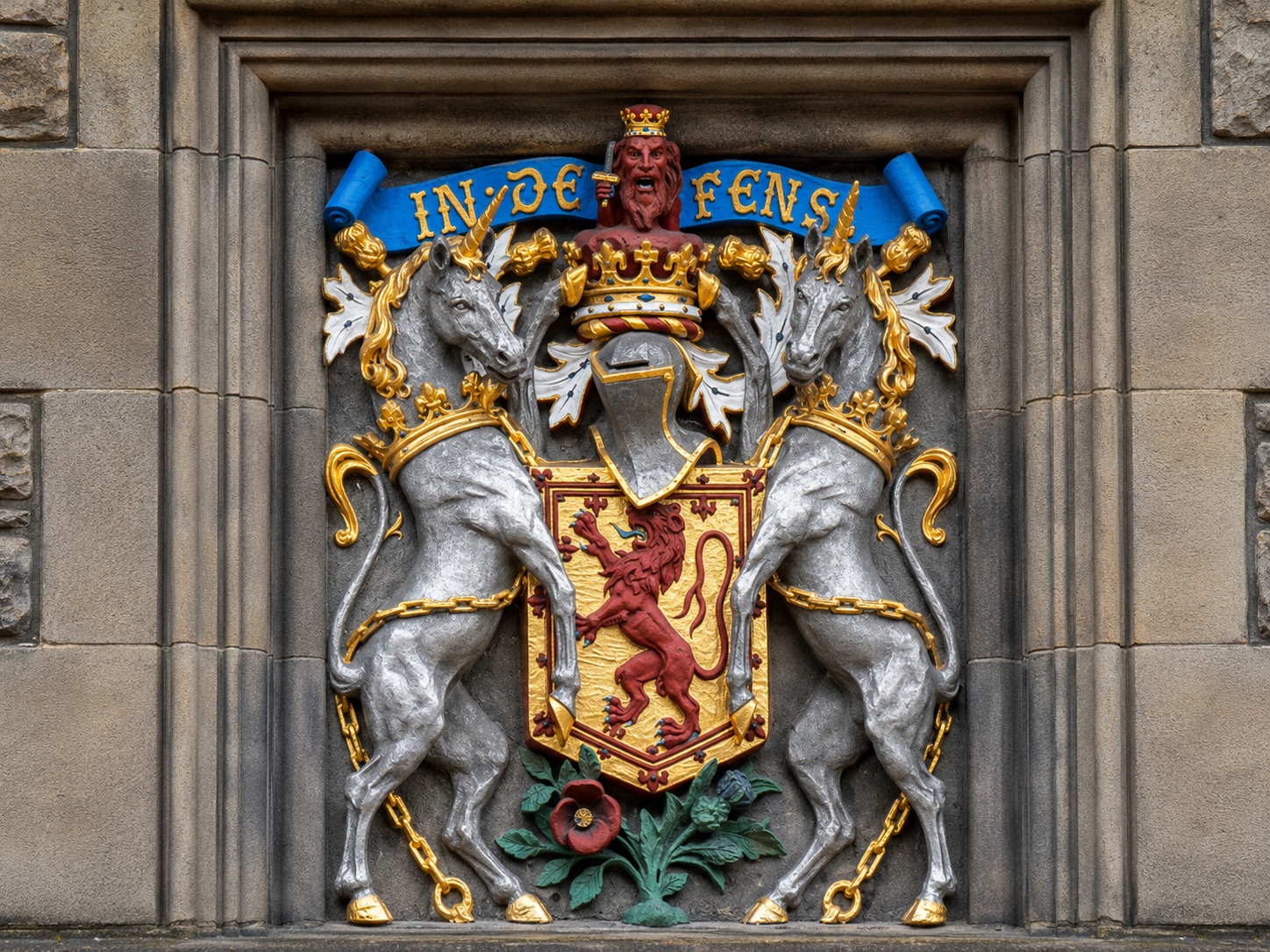
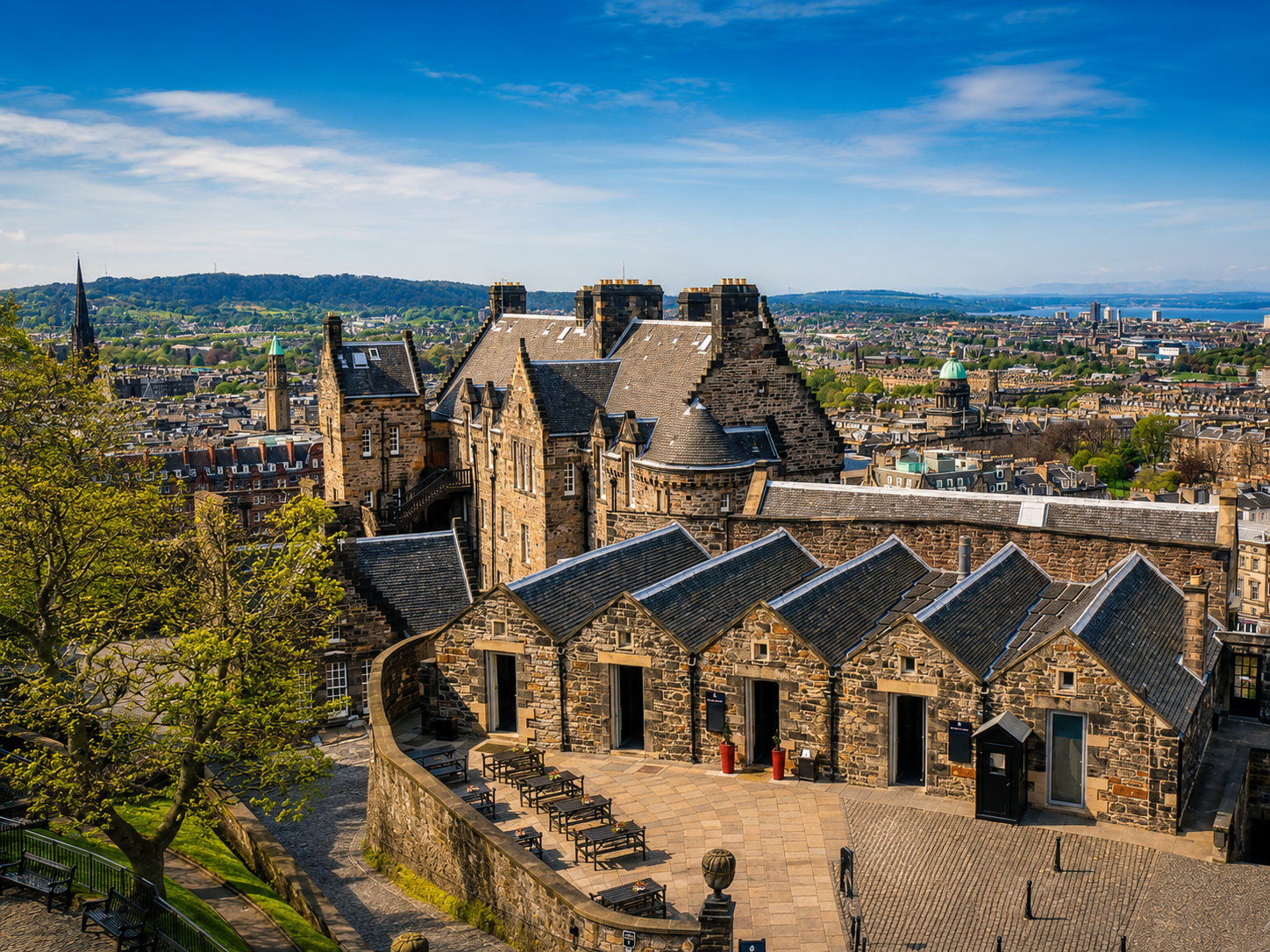
Edinburgh Castle is the most recognisable landmark of the Scottish capital and one of the most important places in the history of the entire country. The fortress rises on top of Castle Rock, a high crag formed by ancient volcanic activity. For centuries its position provided excellent natural defences, and today it offers a sweeping panorama of Edinburgh – from the rooftops of the Old Town to the modern districts and the hills surrounding the city.
The castle's history spans many centuries. It has been a royal residence, a powerful fortress, a military garrison and the site of numerous sieges and struggles for power. Scottish kings and queens were closely tied to the castle, including Mary, Queen of Scots. It was here that she gave birth to her son James VI, who later also became King of England as James I. In later eras the castle gradually lost its role as a royal residence but continued to play an important military part.
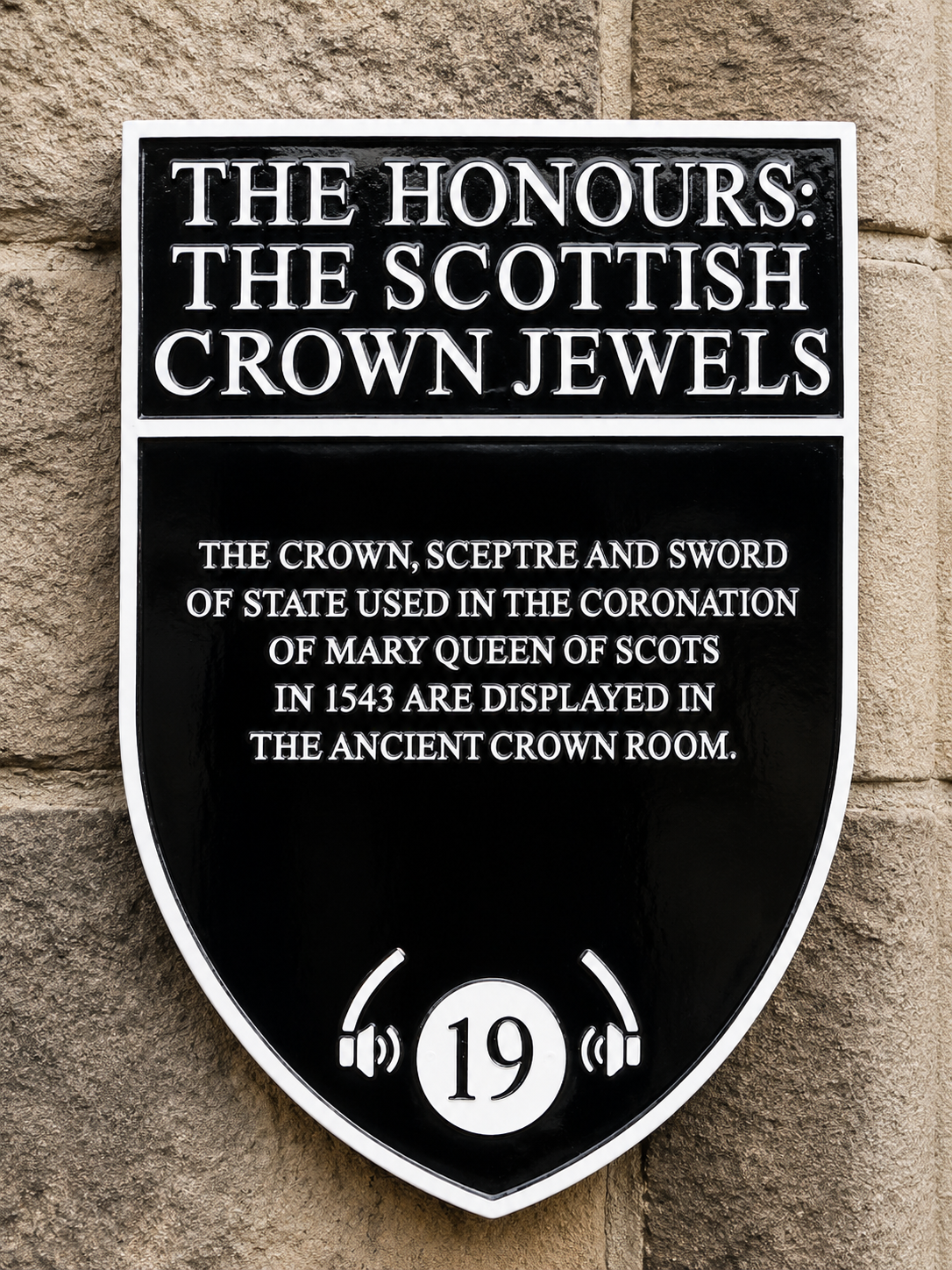
Among its greatest treasures are the Honours of Scotland, the Scottish crown jewels: the crown, the sword and the sceptre. They are considered some of the oldest surviving royal regalia in Great Britain. In the same part of the castle you can also see the famous Stone of Destiny, used in the coronation ceremonies of Scottish monarchs.
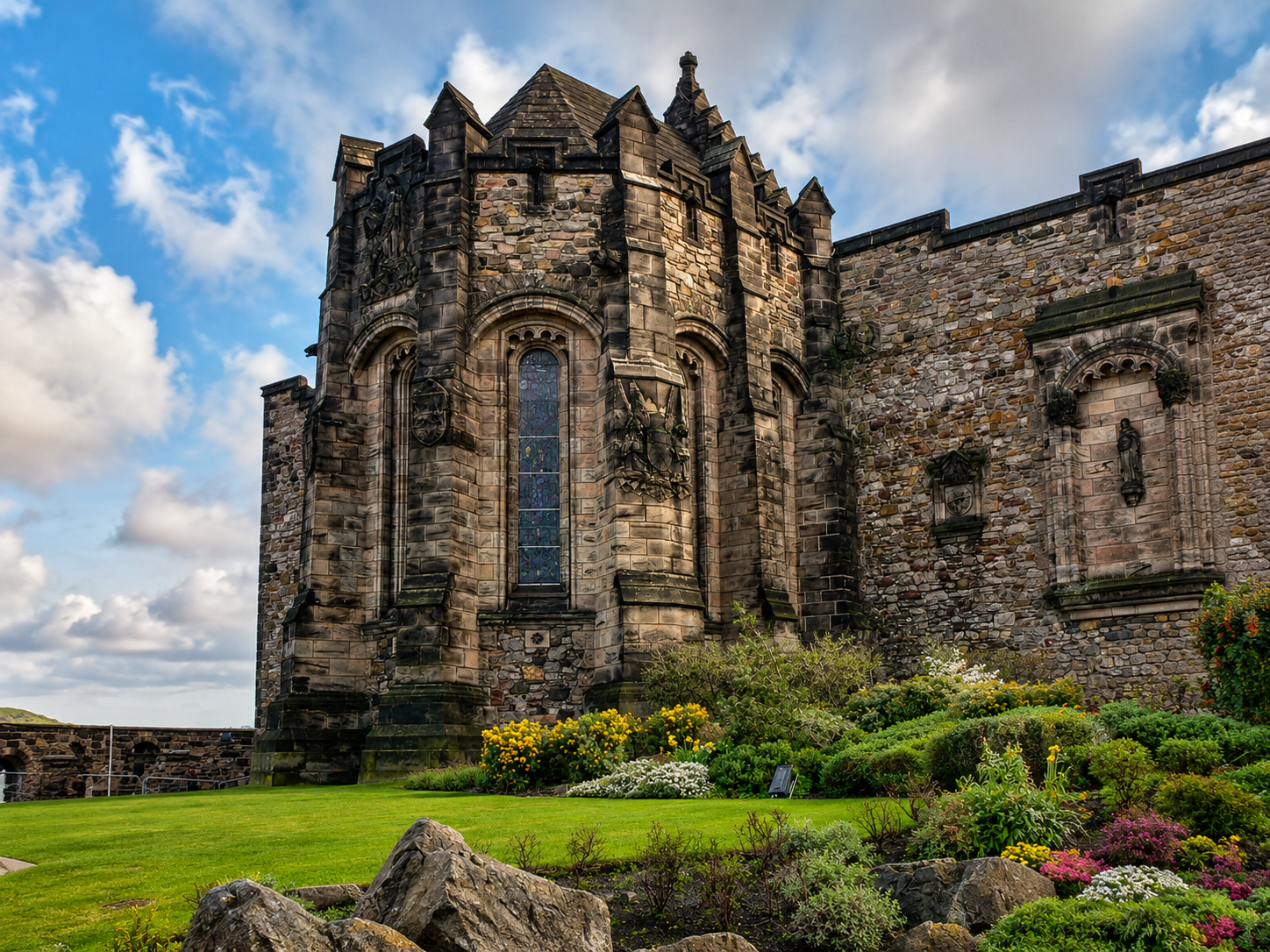
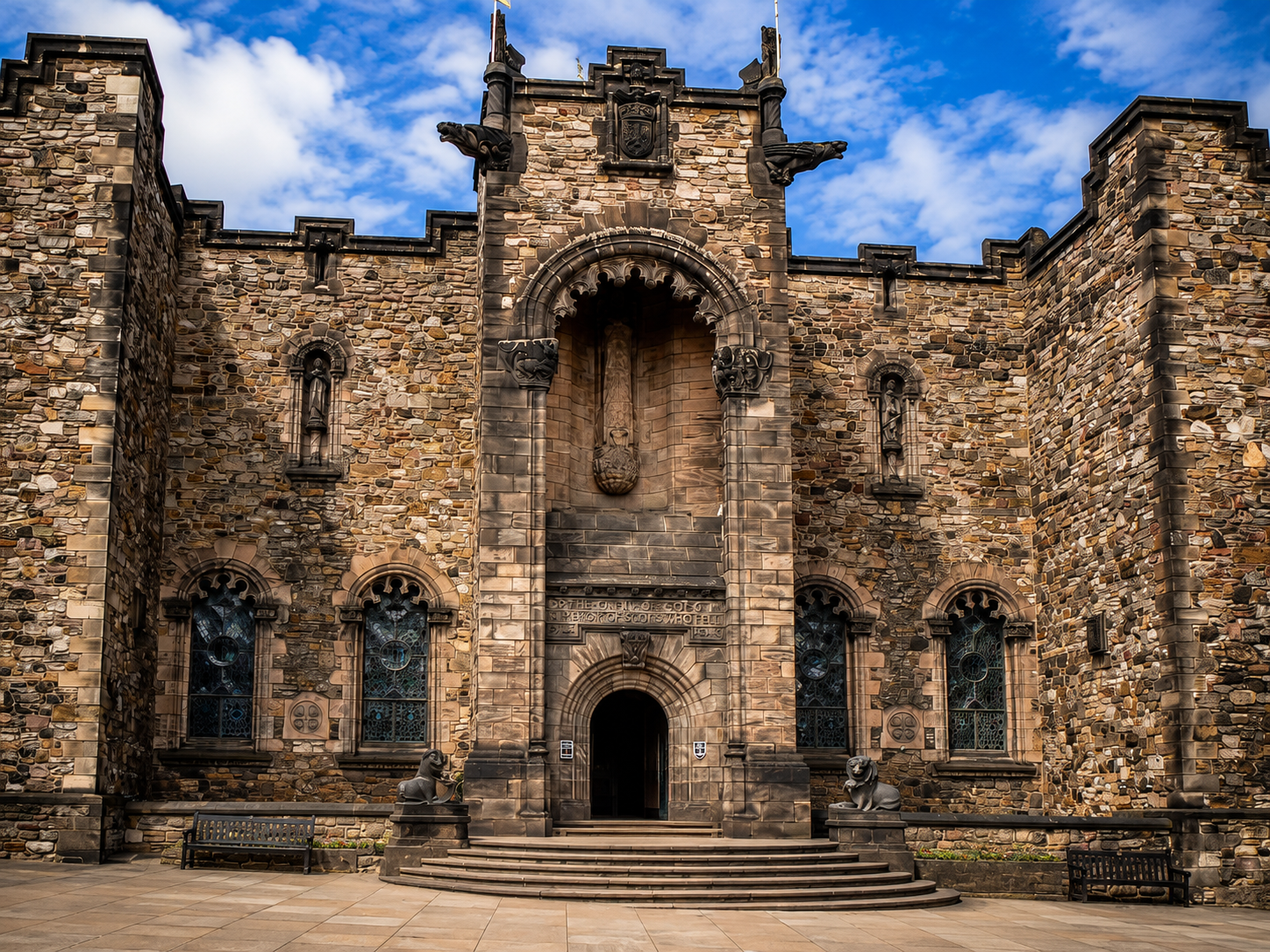
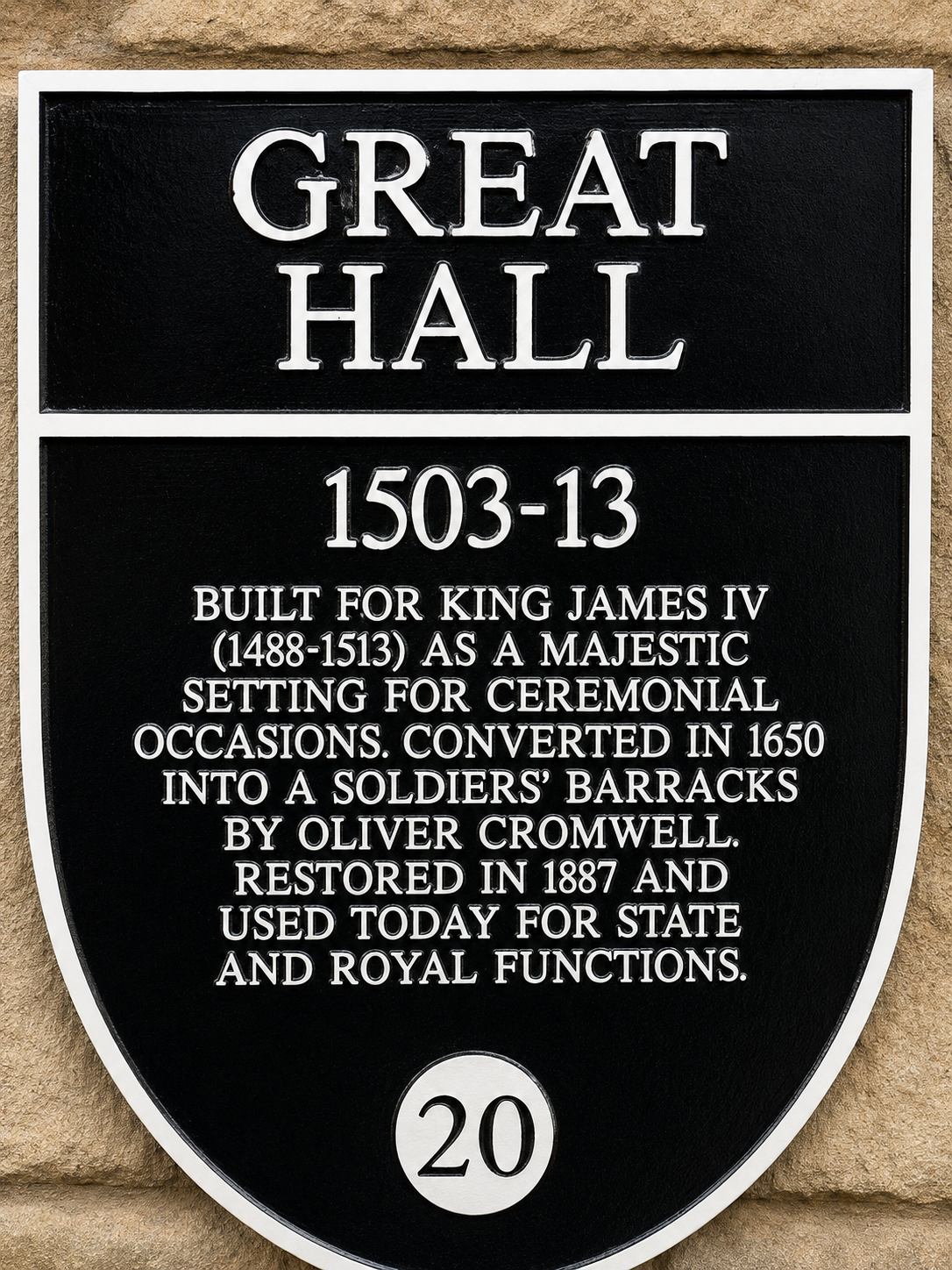
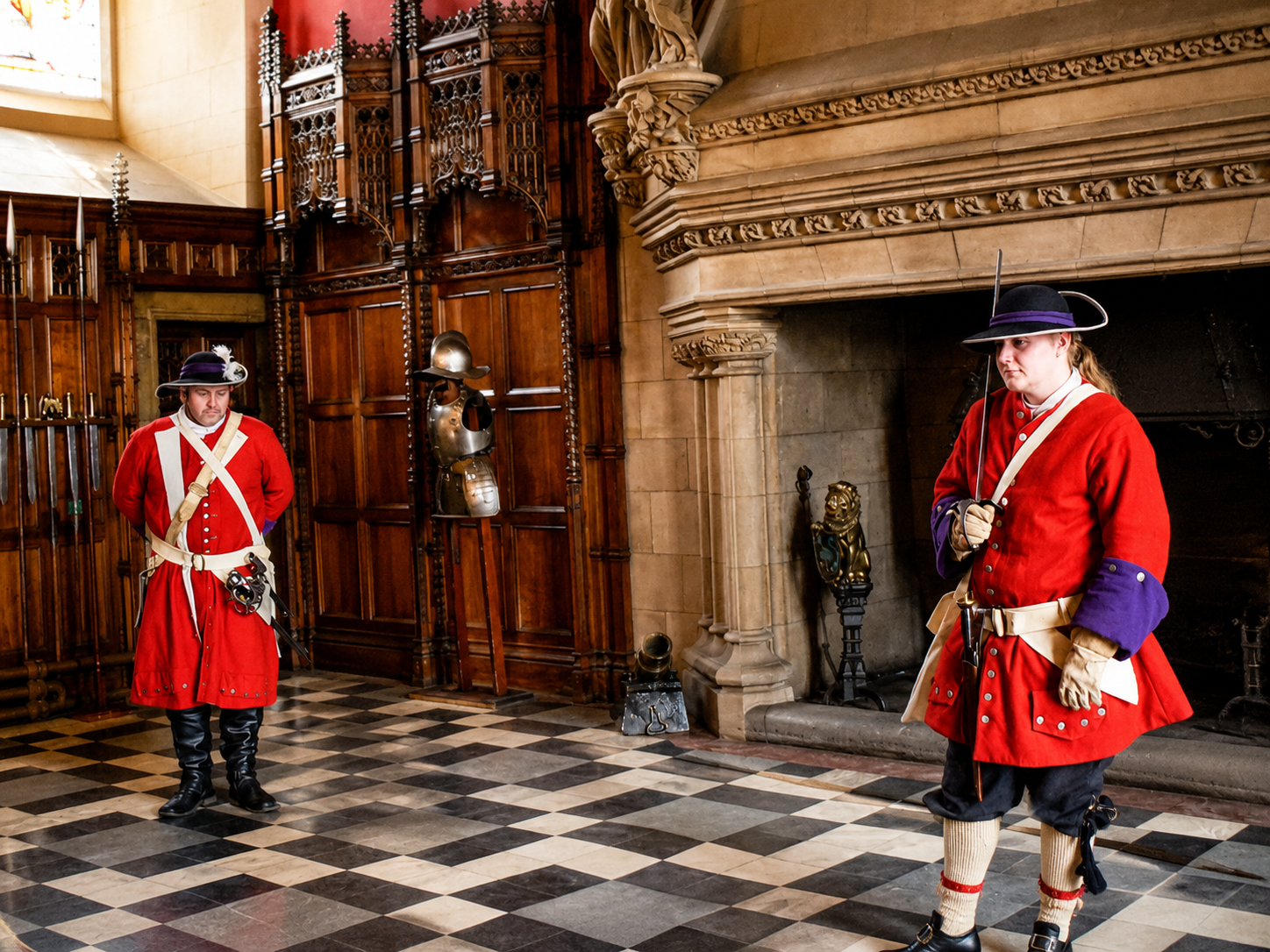
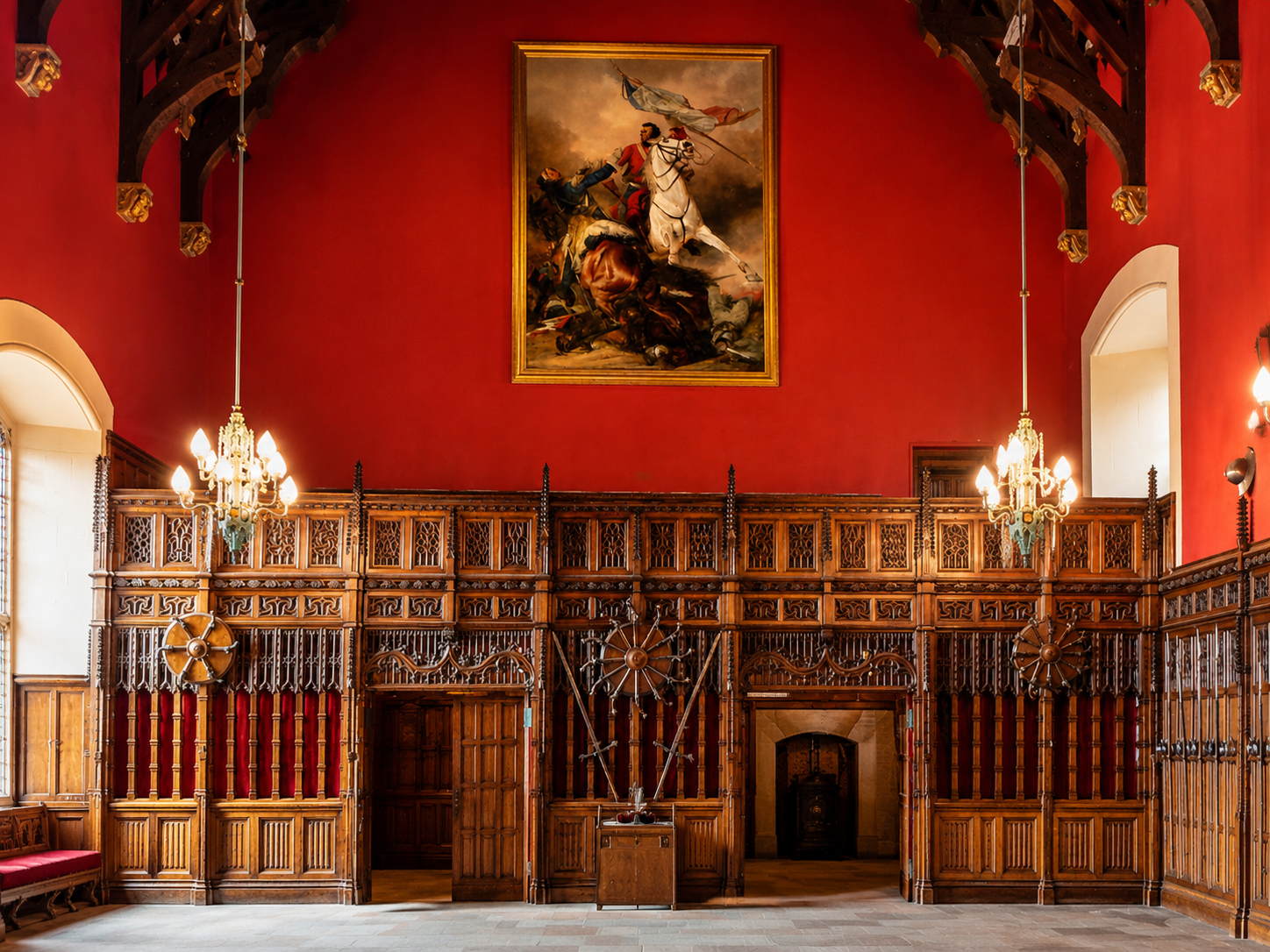
During your visit it is worth stepping into the Great Hall, whose timber roof and collection of historic weapons recall the days of royal feasts and ceremonies. Another important spot is the small St Margaret's Chapel – the oldest surviving building in Edinburgh. The chapel dates from the 12th century and is dedicated to Queen Margaret, who was later canonised as a saint.
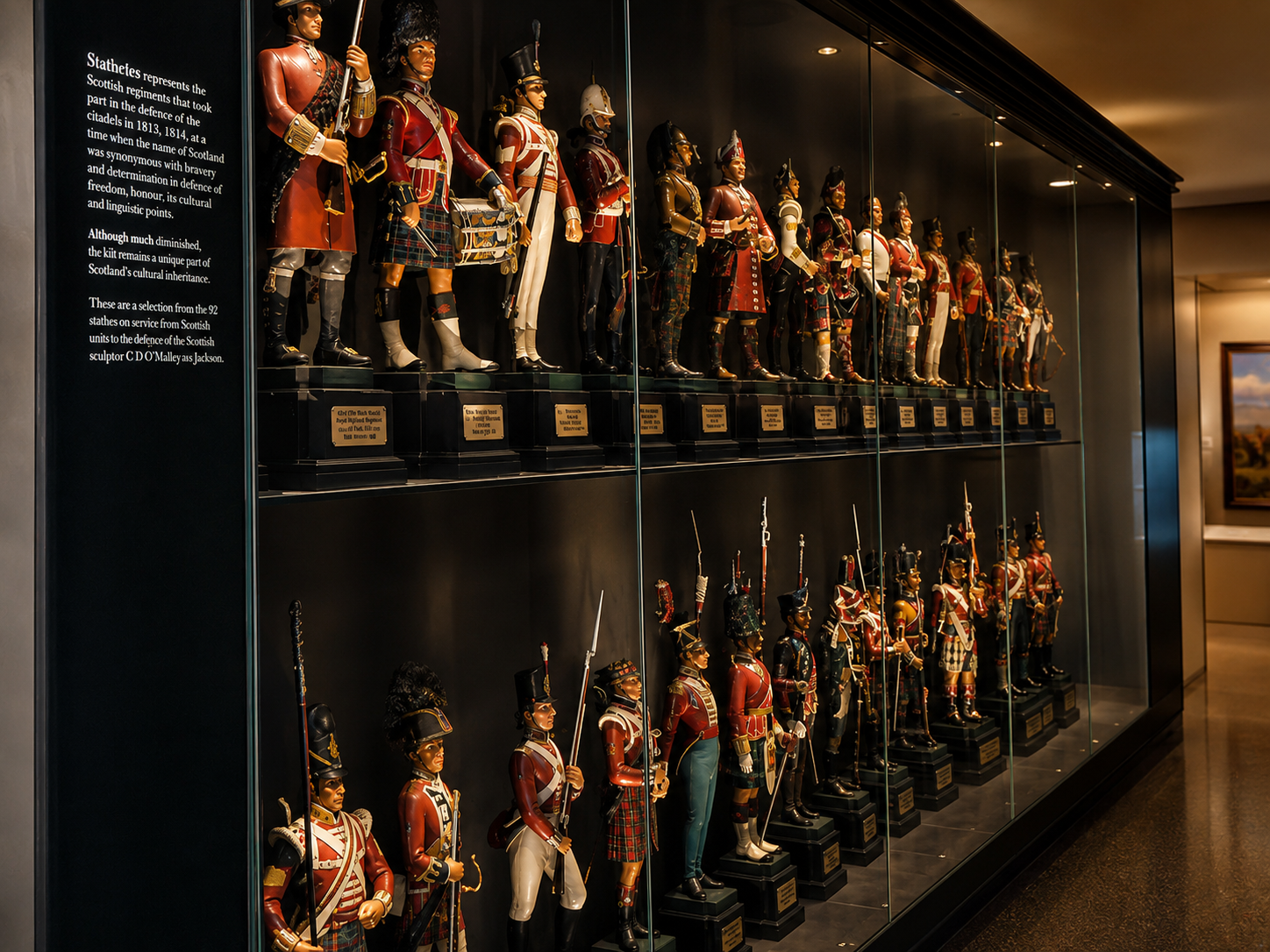
The castle grounds also include former prisons, military quarters and museums presenting the history of Scottish soldiers. Visitors are especially drawn to the One O'Clock Gun, a traditional cannon shot fired at around 1 p.m. on selected days. The custom dates back to the 19th century, when the boom of the gun helped ships in the harbour set the correct time.
The castle stands at the western end of the Royal Mile, which makes it a perfect starting point for exploring the Old Town. Allow at least two or three hours for a visit, especially if you plan to see all the exhibitions and viewpoints. It is best to book tickets in advance, as this is one of the most visited attractions in Edinburgh. Comfortable shoes are also a good idea – the castle grounds are extensive, steep in places and paved with uneven cobbles.
Castle website: https://www.edinburghcastle.scot. You can book tickets, plan your visit and get audio guides there.
Edinburgh Castle
Gallery
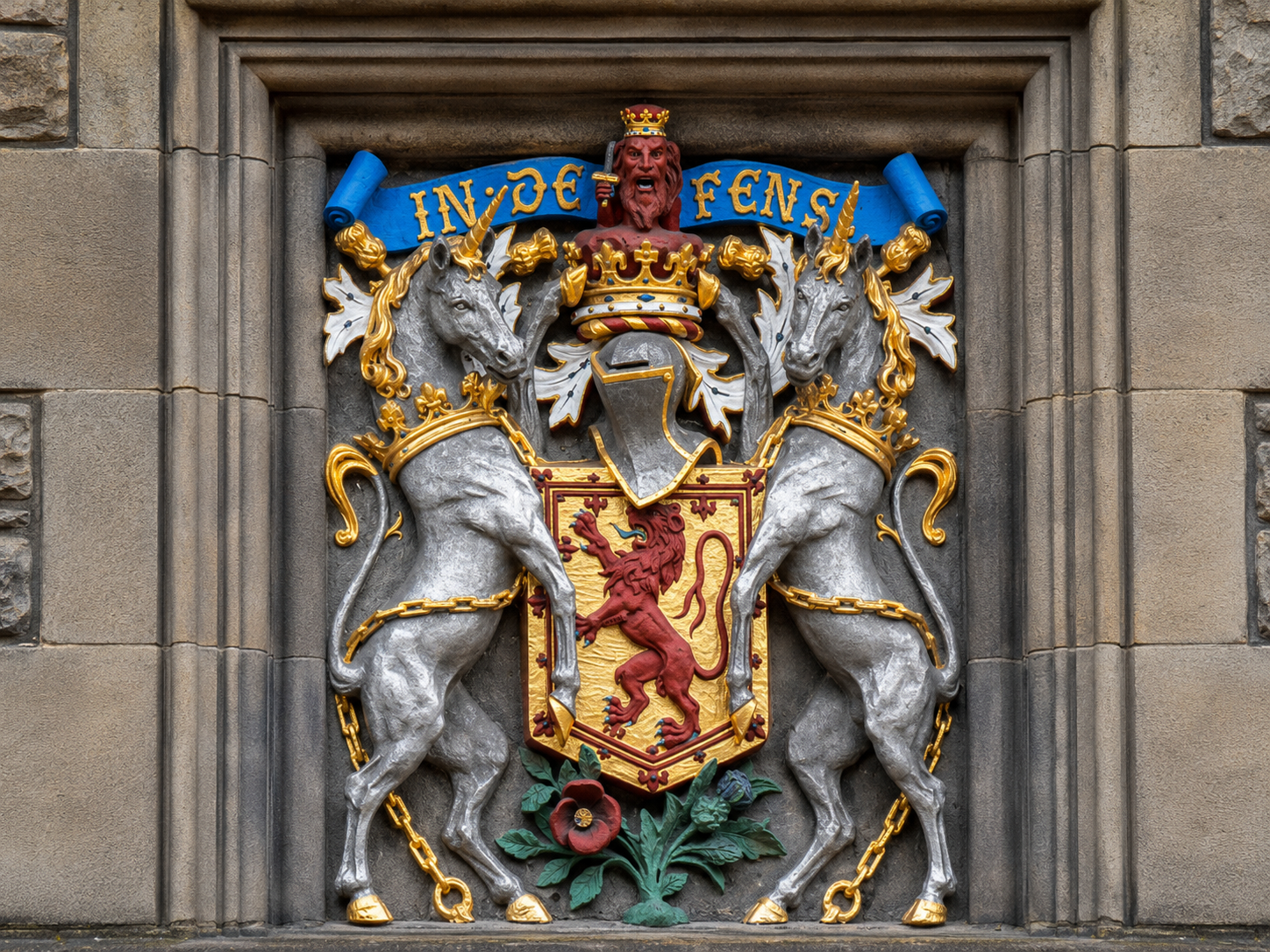
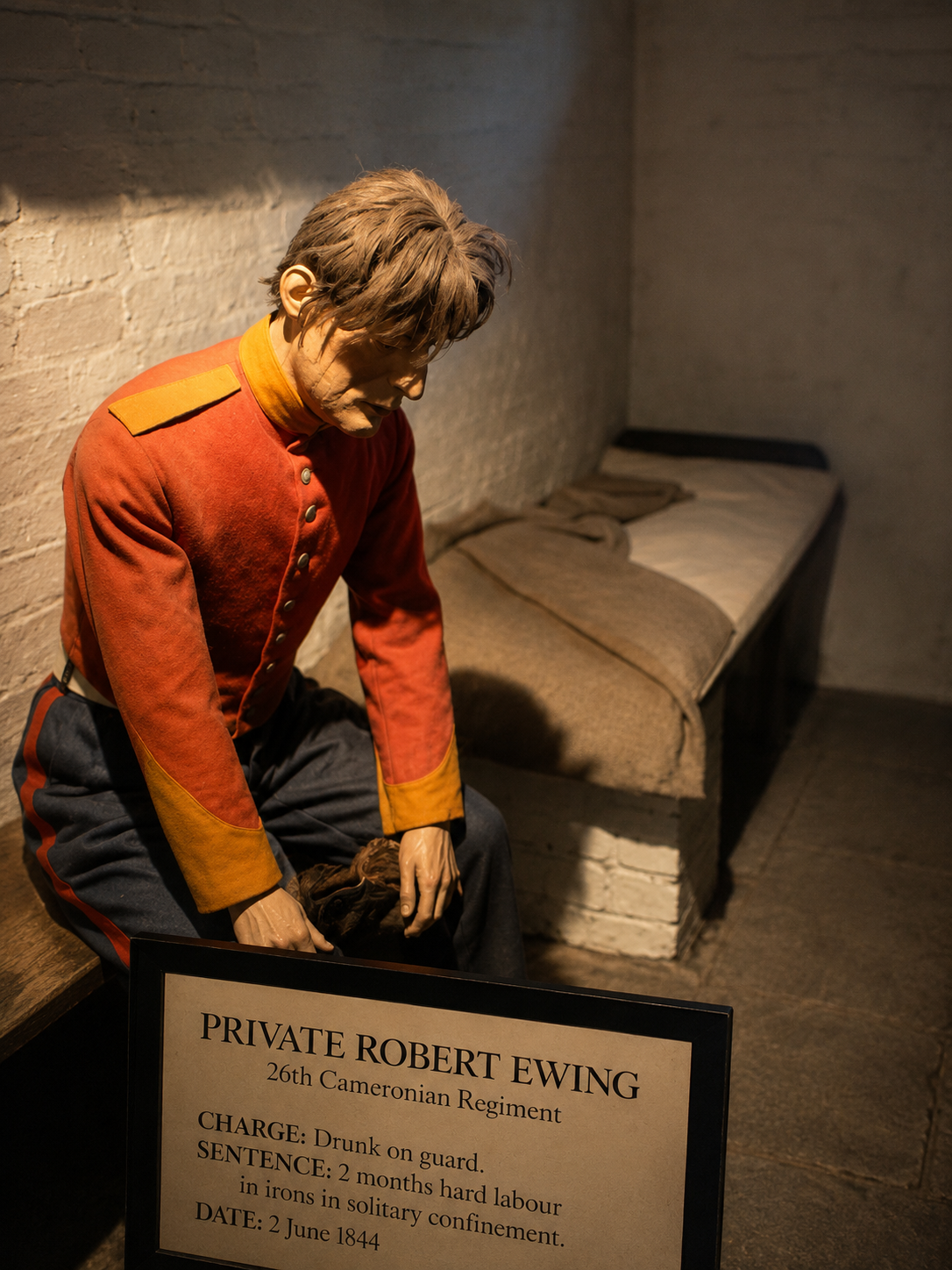
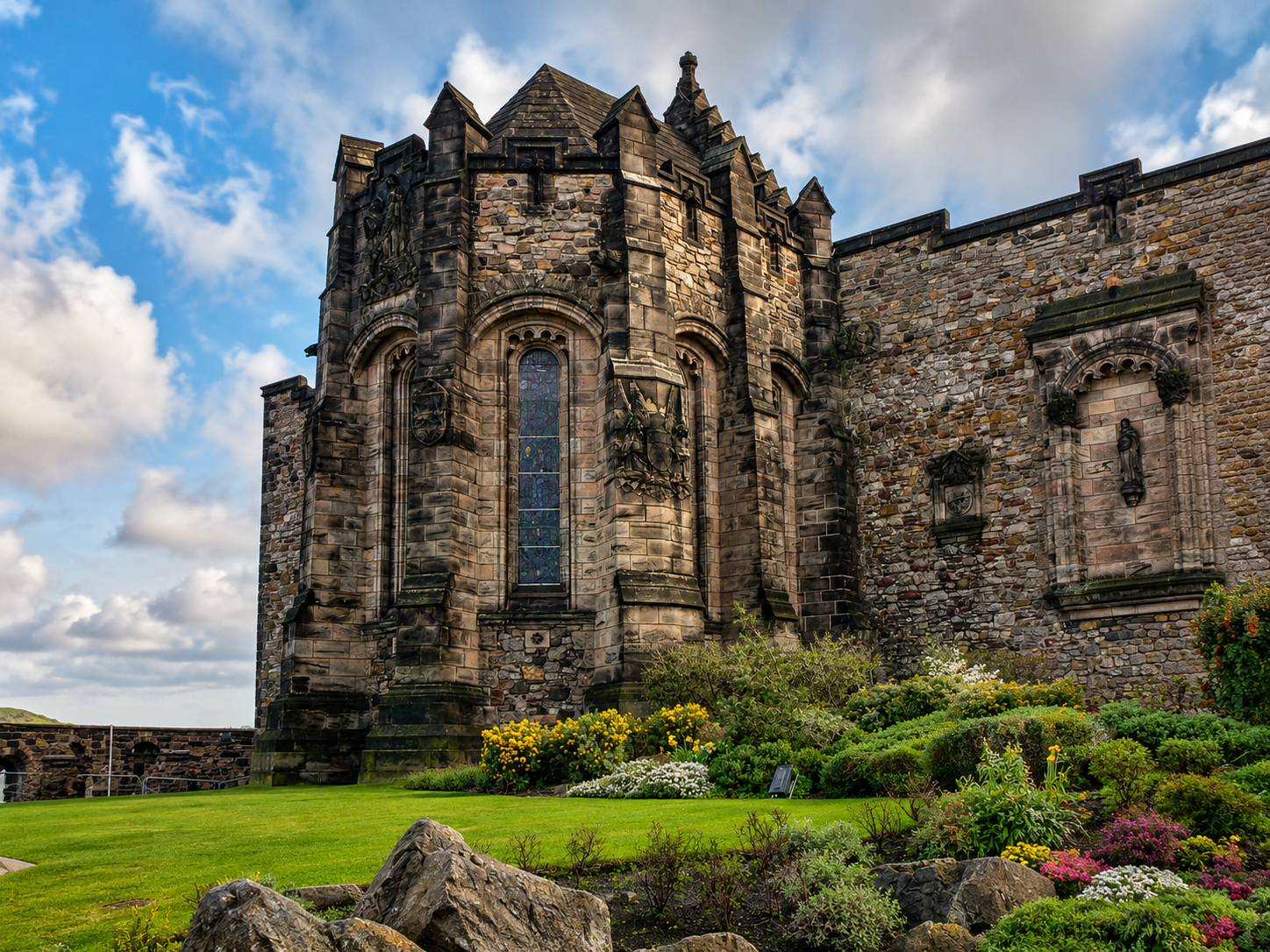
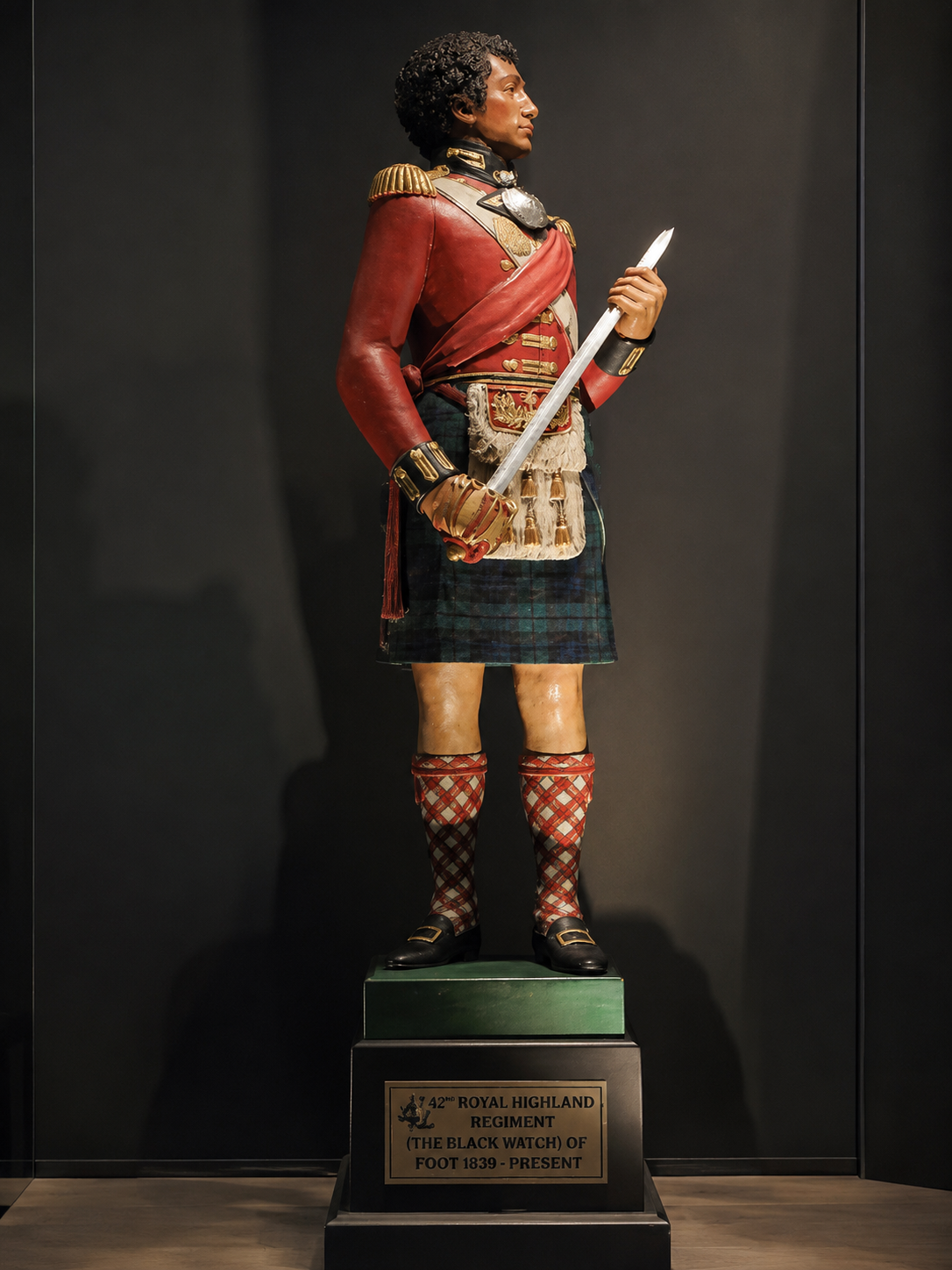
Statue of a soldier of the 42nd Royal Highland Regiment
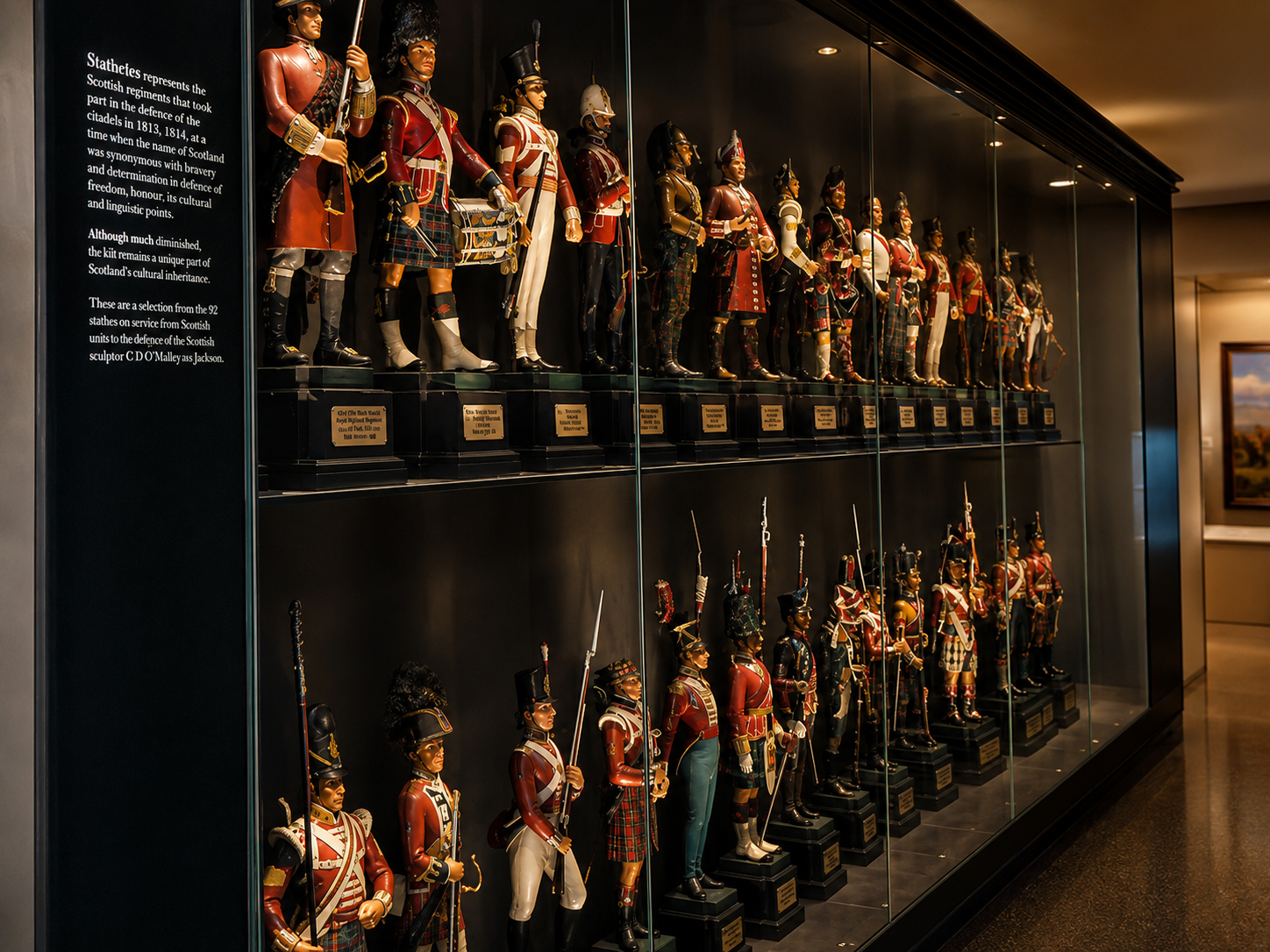
Exhibition of soldier figures from 1813
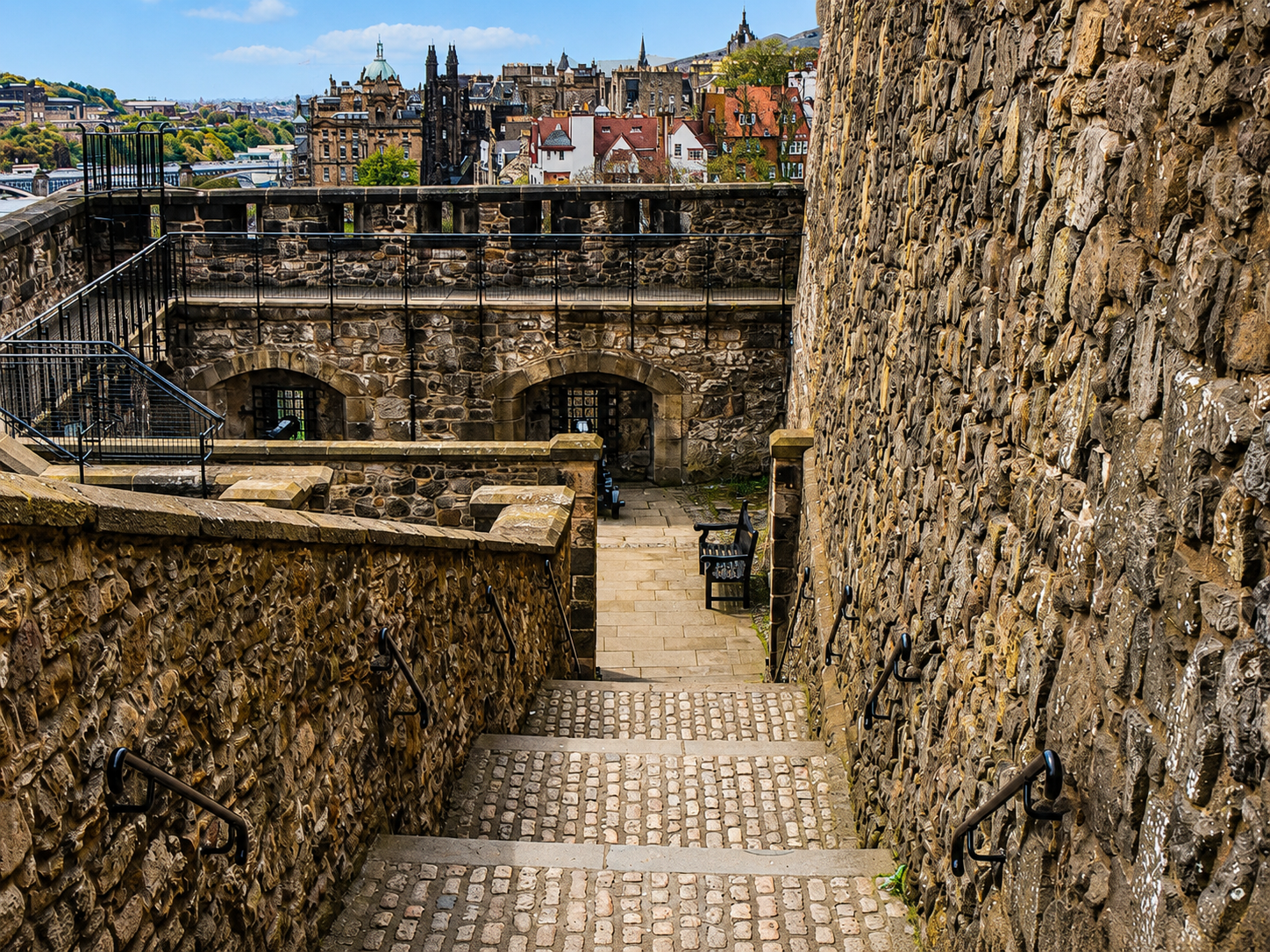
Stone fortress corridor overlooking the city
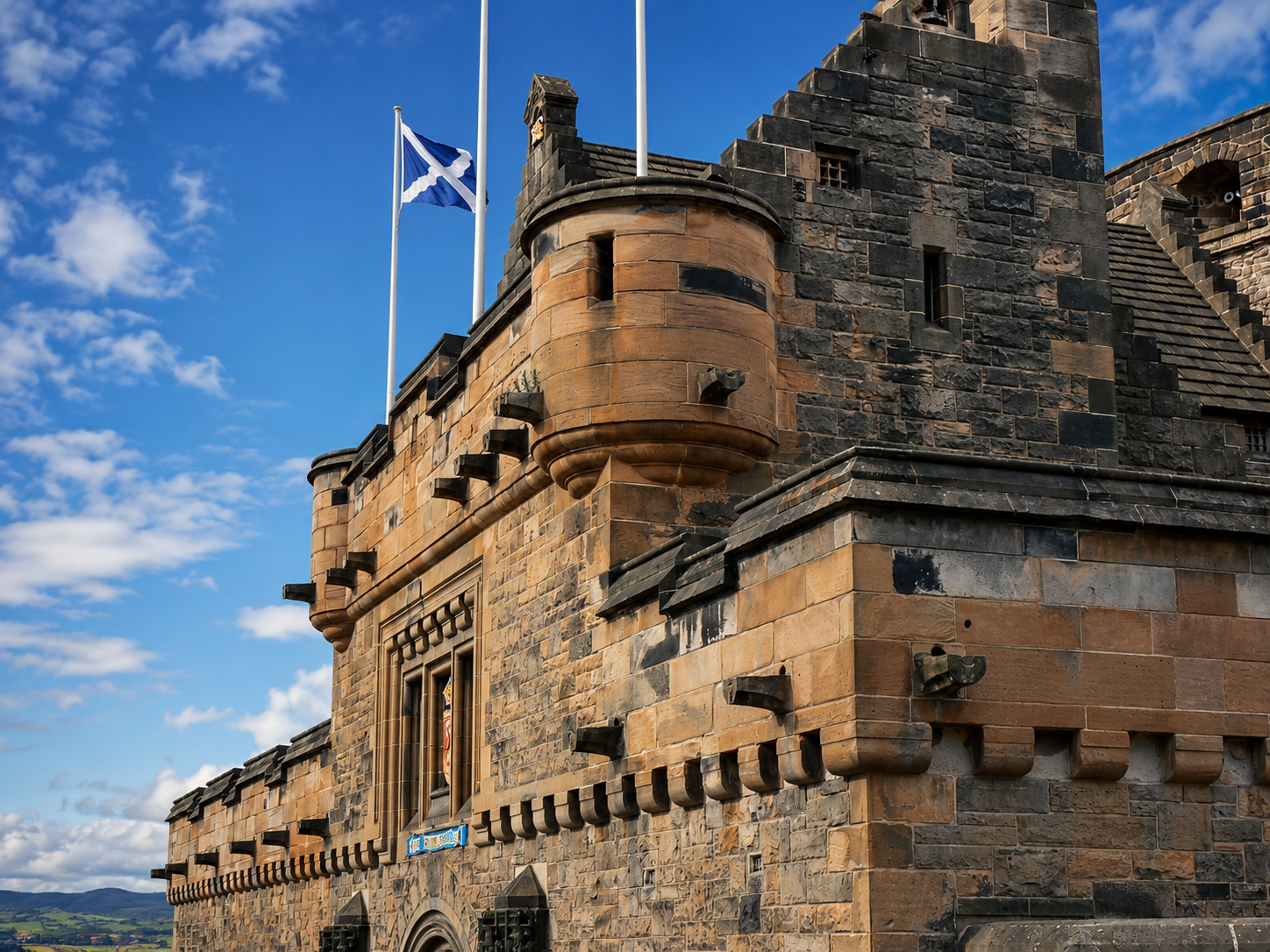
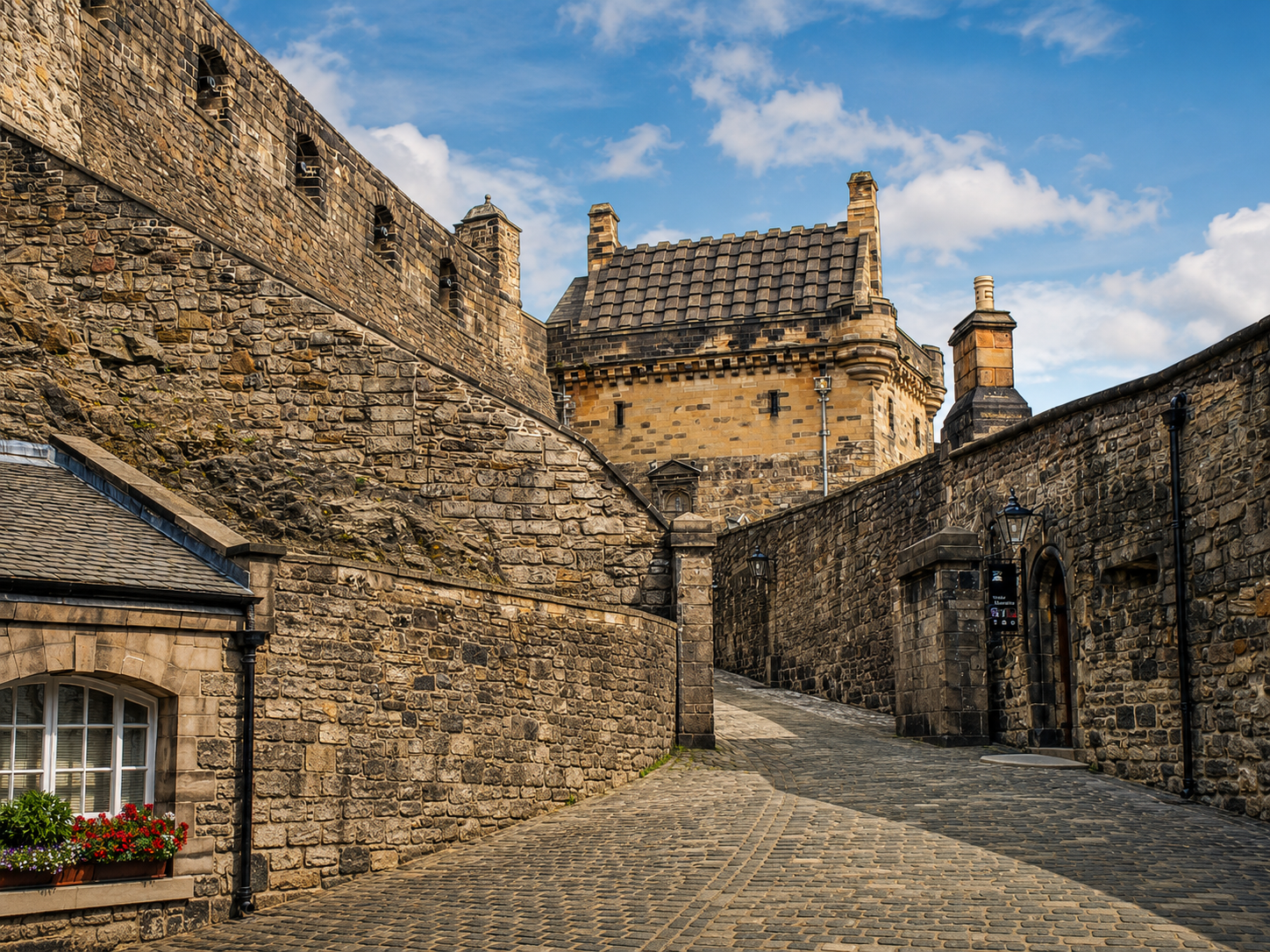
Sunlit stone courtyard of the castle